
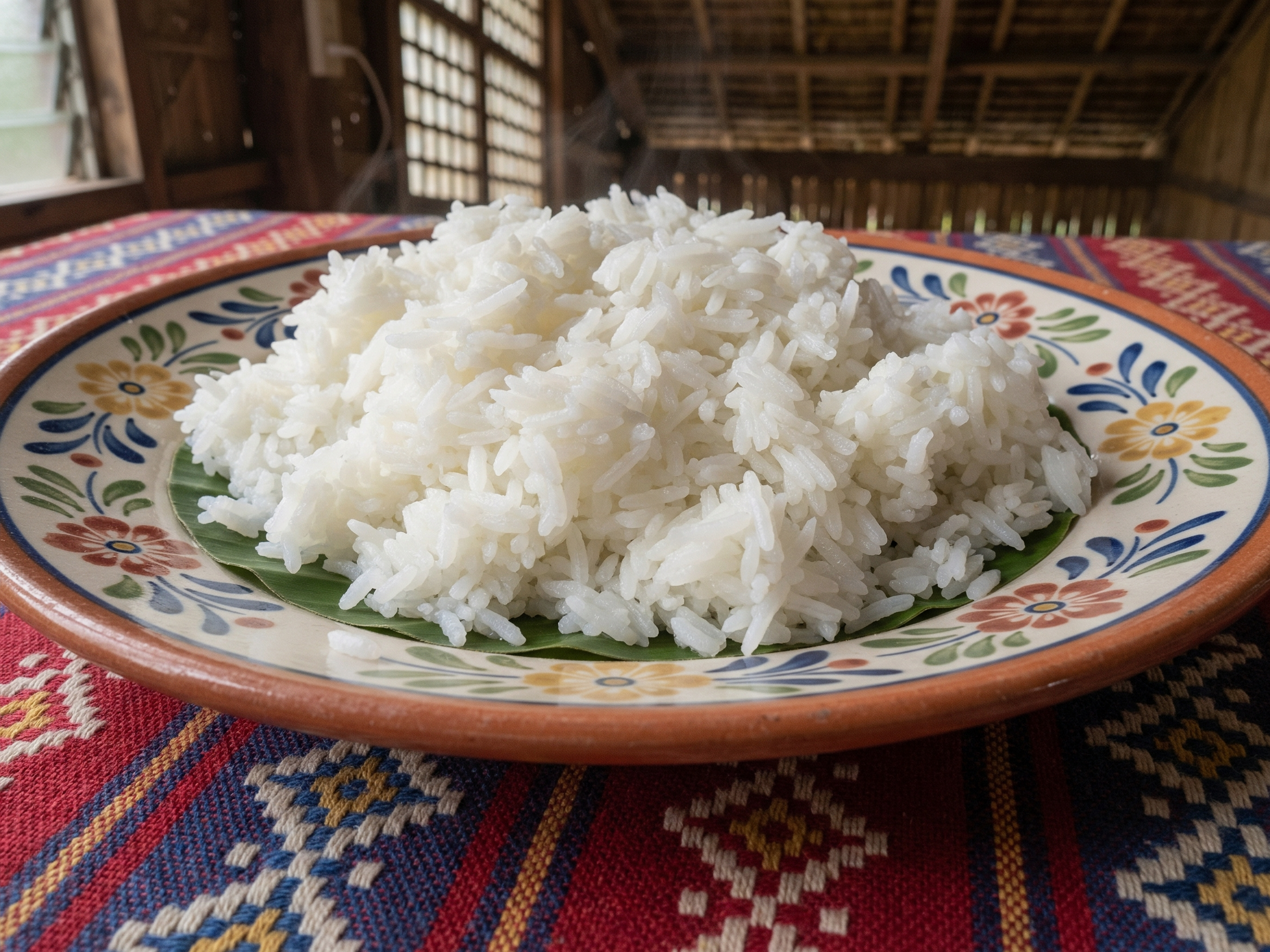
Half-cup rice servings are gaining attention in the Philippines as the Philippine Rice Research Institute (PhilRice) supports offering smaller rice portions in restaurants and other food establishments. The initiative aims to address food waste while giving diners more flexibility in choosing how much rice they order, without discouraging Filipinos from enjoying one of the country’s most important staple foods.
Yet behind this deep national devotion lies a staggering contradiction: while the country works to secure enough grain to feed its growing population.
The PhP24.4-Billion Problem
Based on 2023 data from the Department of Science and Technology–Food and Nutrition Research Institute (DOST-FNRI), the Philippine Rice Research Institute (PhilRice) estimates that roughly 11 million sacks of rice go to waste annually—an amount capable of feeding 5.17 million Filipinos for an entire year.
To curb this loss, advocates are renewing the push for food establishments to offer half-cup rice servings. Rather than policing appetites, the initiative focuses on giving diners realistic portion choices, supported by 48 local ordinances nationwide—including Baguio City, which strengthened enforcement in October requiring eateries to serve half-cup portions at half the regular price.
“We are not asking Filipinos to eat less rice, though proper portions and health considerations like Pinggang Pinoy remain important. Someone who needs two cups of rice should not have to settle for half a cup. The half-cup option simply gives people the choice to order what they can finish,” urges Dr. Karen Eloisa T. Barroga, PhilRice Deputy Executive Director for Development.
The effort forms part of PhilRice’s Be RICEponsible campaign, which encourages Filipinos not only to avoid plate waste, but also to support local farmers and explore healthier alternatives like unpolished and low-glycemic rice.

How Plate Waste Hurts Local Farmers
Leftover grains scraped into restaurant bins carry consequences far beyond household budgets. Every discarded spoonful still had to be grown, harvested, or imported into the country, distorting national supply projections.
“Rice that ends up in the trash is rice the country had to supply, but nobody ate. If we reduce this waste and measure the savings, we can make better projections of how much rice we need to produce or import,” Barroga said.
When national estimates overstate true consumption due to waste, excess rice imports can arrive just as local farmers are harvesting—driving down farmgate palay prices and squeezing rural livelihoods. Locally produced rice accounted for nearly 97% of the country’s supply in 2013, dropped to 71.7% in 2024, and recovered to 78.1% in 2025.
Even so, Barroga stresses that consumer mindfulness is only half the equation alongside stronger agricultural support amid shrinking farmland, high input costs, irrigation limits, and El Niño threats.
“Reducing waste is not a substitute for producing more rice,” said Dr. Barroga. “We have to help farmers raise their yields and lower production costs while ensuring that the rice already produced is not wasted.”
A Country Built on Grain
Globally, rice cultivation dates back up to 10,000 years, earning its place as humanity’s most vital staple.
“This, alongside its current global status as the world’s most important human food, makes rice production responsible for feeding more people over a longer period than any other crop,” said the Laguna-based International Rice Research Institute (IRRI).
In the Philippines, consumption towers above international norms. Former PhilRice director Dr. Eufemio Rasco Jr. notes that Filipinos consume an average of 114 to 120 kilograms of rice per person each year—nearly double the global per capita average of 65 kilograms.
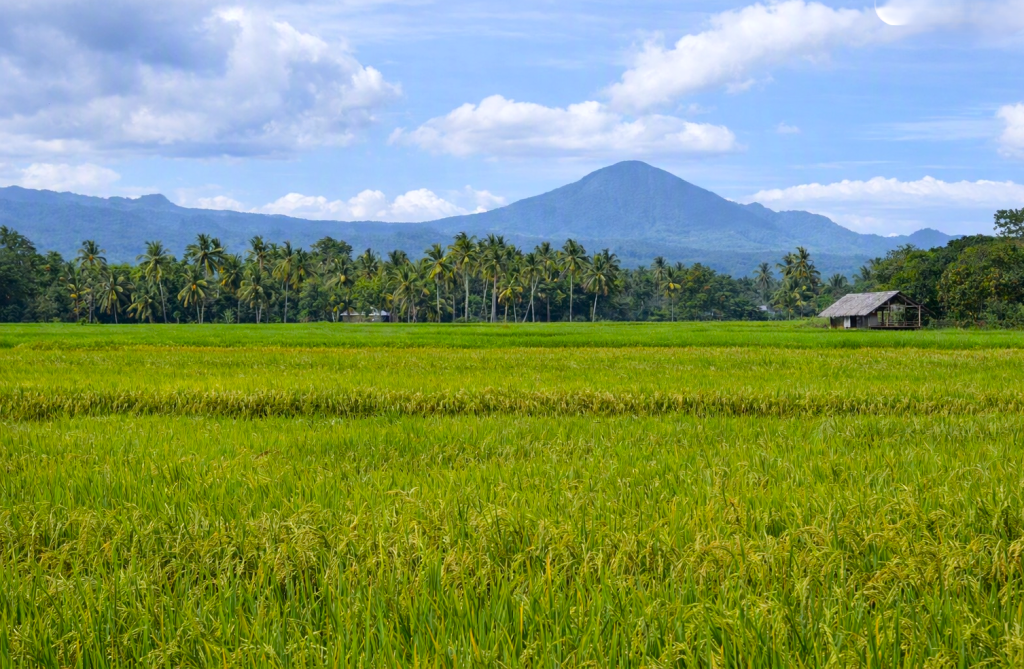
Celebrated every November during National Rice Awareness Month, the grain underpins daily life at every scale:
· 300 grams: Minimum amount a person can consume in a single sitting when eaten alone
· 1 kilogram: Feeds roughly 6 to 8 people
· 30 to 40 kilograms: Sustains 90 to 120 people
· 1 sack (50 kilograms): Provides meals for up to 150 people
Affordability, Protein, and the Nutrition Paradox
For millions of low-income families, heavy reliance on rice is driven by economics. Surveys by the Bureau of Agricultural Statistics (BAS) show that Filipinos spend more on rice than any other food item, relying on it as their primary source of daily energy—and even protein—because it remains the most affordable staple available.
According to FNRI Senior Science Research Specialist Dr. Eva Goyena, findings from the 2023 National Nutrition Survey reveal that rice and rice-based products account for roughly 50% of the average Filipino’s energy intake, well above recommended levels for a balanced diet.
While rice provides complex carbohydrates, protein, B vitamins (such as thiamin, niacin, and B6), iron, zinc, and phosphorus, conventional milling strips away key nutrients like vitamin E, magnesium, potassium, and manganese—nutrients largely retained in brown rice, alongside antioxidants like anthocyanin found in red and purple varieties. Even then, nutritionists emphasize that rice alone, whether white or brown, cannot supply all the micronutrients required for optimal health.
History, Language, and Power on Every Table
Rice (scientific name: Oryza sativa) has shaped Philippine society for millennia. National Scientist Dr. Gelia T. Castillo noted that rice cultivation in the islands stretches back at least 3,000 years, predating even the carving of the country’s famed mountain rice terraces.
When Venetian chronicler Antonio Pigafetta documented his travels in First Voyage Around the World, he observed how early Filipinos paired salty dishes with plain rice as a balancing backdrop. Over centuries, the grain also became embedded in Filipino idiom, class struggle, and literature.
“Rice is everywhere, in our language as metaphor,” said F. Sionil Jose, National Artist for Literature, pointing to the classic Filipino expression reminding the inexperienced: “Marami ka pang bigas na kakainin.”
“During the colonization period, rice became a symbol of the power of the landlord over the tenant. In times of scarcity, only tutong and lugaw are eaten; hence, the lack of rice has become the symbol of poverty. In the theater, rice portrays our politics and our economics,” said national scientist Dr. Gelia T. Castillo.
From ancient terraces to modern dining tables, rice remains inseparable from the Filipino story. Honoring that legacy today does not mean giving up the staple that sustains the nation—it means respecting every grain enough not to let billions of pesos’ worth end up in the bin.

 Facebook
 Twitter