
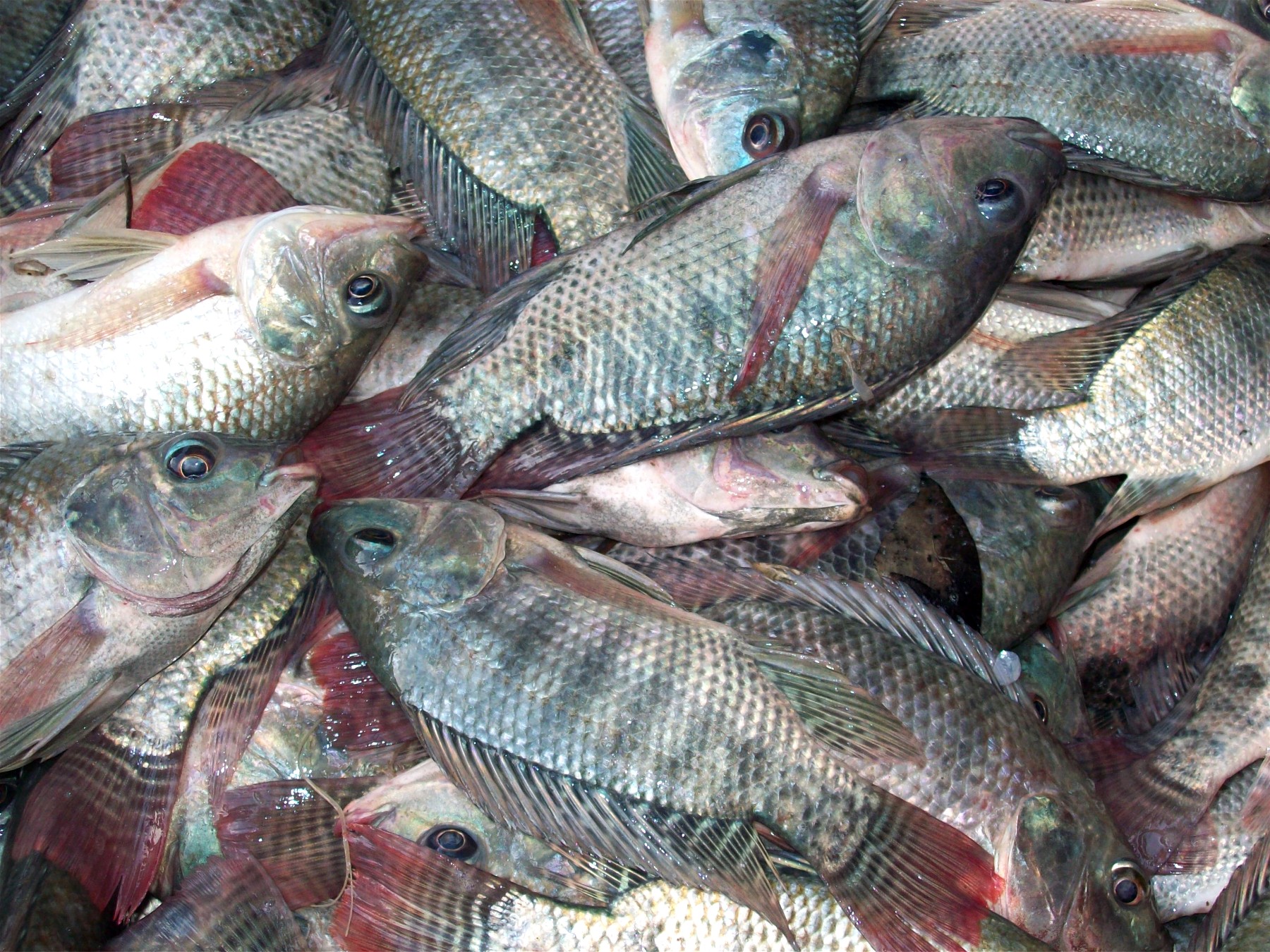
An in-pond raceway system is introducing a new approach to tilapia farming in the Philippines, combining traditional pond aquaculture with a more controlled water-flow setup. The technology aims to improve how fish are raised and managed, offering another option for local aquaculture operators as demand for seafood continues to grow.
Fish occupy a unique place in the human diet. Unlike cattle, poultry, and other livestock that have long been domesticated, fish remain what many experts call the world’s “last wild meal.” Yet as oceans face increasing pressure from overfishing and environmental degradation, the challenge of supplying seafood to a growing population has become more urgent.
One solution has emerged from an ancient practice: aquaculture, or fish farming. For nearly 4,000 years, particularly in Asia, people have cultivated aquatic organisms as a reliable source of food. Today, aquaculture has evolved into a multi-billion-dollar global industry, producing everything from shrimp and scallops to mussels and cod.
Supermarkets around the world now stock farm-raised seafood from countries thousands of kilometers away. About one-fourth of the world’s shrimp production already comes from aquaculture ponds spread across 50 nations, led by Thailand and Ecuador.
Why Fish Farming Makes Sense
Aquaculture offers significant advantages over traditional livestock production. Fish are remarkably efficient in converting feed into edible protein.
“For every kilogram of dry feed, we get one kilogram of fish meat,” explained Dr. Uwe Lohmeyer of the Deutsche Gesellschaft für Technische Zusammenarbeit (GTZ). “This is a far more favorable rate than in the case of, say, pigs: to produce the same quantity of pork, a farmer – given the same quality of inputs – has to provide three kilograms of feed.”
This efficiency makes fish farming not only economically attractive but also environmentally practical at a time when food security is becoming a global concern.
Aquaculture’s Deep Roots in the Philippines
Fish farming is hardly new to the Philippines. Historians believe that Malay migrants introduced fishpond culture to the archipelago long before the arrival of Chinese traders.
“Our fishpond practices in most respects are similar to those of the Indonesians rather than those of Chinese,” noted a Filipino marine expert.
Today, fish remains an indispensable part of the Filipino diet. “Fish and fishery products constitute 11.68% of each person’s total food intake which is equivalent to 93.9 grams per day,” said Norberto O. Chingcuanco, vice president of Feedmix Specialist Inc. “Each Filipino consumes an average of 34.27 kilos of fish and fish products per year.”
The importance of aquaculture is reflected in production statistics. Data from the Philippine Statistics Authority show that aquaculture contributed 2.246 million metric tons to total fishery production in 2022. During the first quarter of 2026, aquaculture supplied 55% of the country’s total fisheries output.
The Country’s Favorite Pond Fish
Among cultured fish species, tilapia holds a special place. Second only to bangus in popularity among Filipino consumers, tilapia has become a staple on dining tables across the country.
According to the Food and Agriculture Organization (FAO), more than half of Philippine tilapia production comes from freshwater fishponds, while fish cages account for nearly 38%. Major fishpond operations are located in provinces such as Pangasinan, Ilocos Norte, Ilocos Sur, Pampanga, Tarlac, Southern Leyte, and Negros.
Meanwhile, fish cages producing tilapia are concentrated in areas such as Taal Lake, Lake Sebu, Lake Bato, Lake Buhi, Lake Lutayan, Ambuklao Dam, and various parts of Maguindanao.
The fish’s popularity is nothing new. “No fish – with the probable exception of the common carp – is more widely cultured than tilapia,” wrote John E. Bardach, John H. Ryther, and William O. McLarney in their book Aquaculture: The Farming and Husbandry of Freshwater and Marine Organisms.
Enter IPRS: A New Era in Fish Farming
Despite decades of success, traditional fish farming methods have faced growing challenges. Water use, energy costs, waste accumulation, and environmental concerns have often limited productivity.
A breakthrough technology known as the In-Pond Raceway System (IPRS) aims to address these issues. Developed in the early 1990s by Auburn University in Alabama, USA, IPRS combines proven aquaculture principles with modern engineering to create a more efficient system of fish production.
The technology has now reached Philippine shores through Alsons Aquaculture Corporation (AAC), which established the country’s first IPRS facility in Maribulan, Alabel, Sarangani.
“IPRS is three times more productive than a pond of the same size without IPRS,” pointed out Charles Hall, director of the Animal and Aquaculture Nutrition Program of the U.S. Soybean Export Council (USSEC).
USSEC introduced the technology to AAC, which began construction of its first IPRS facility in 2020. Ten months later, the system became fully operational.
How the System Works
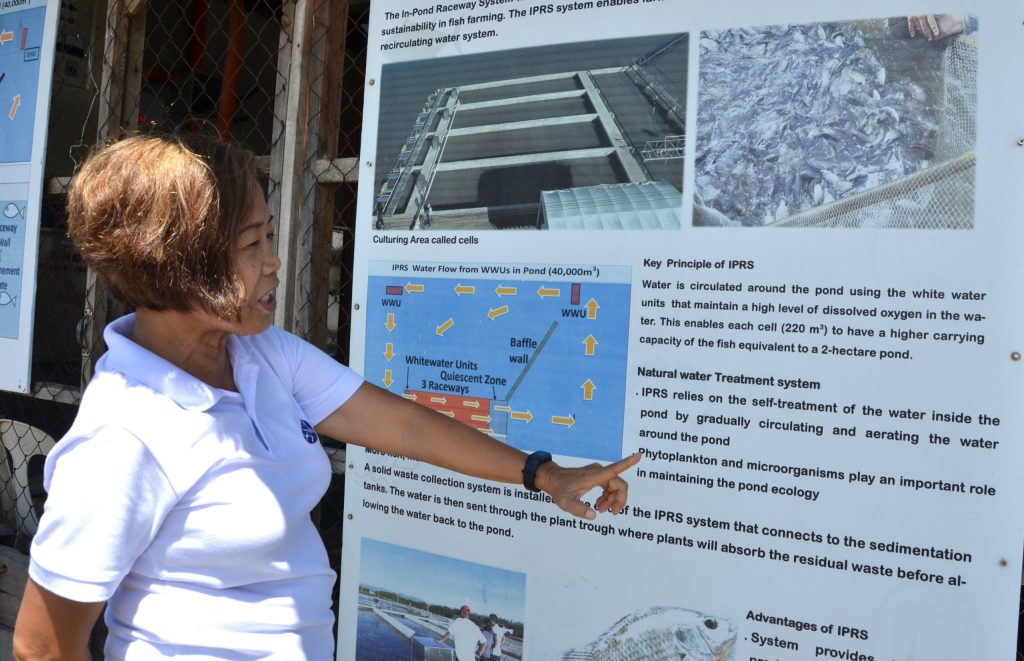
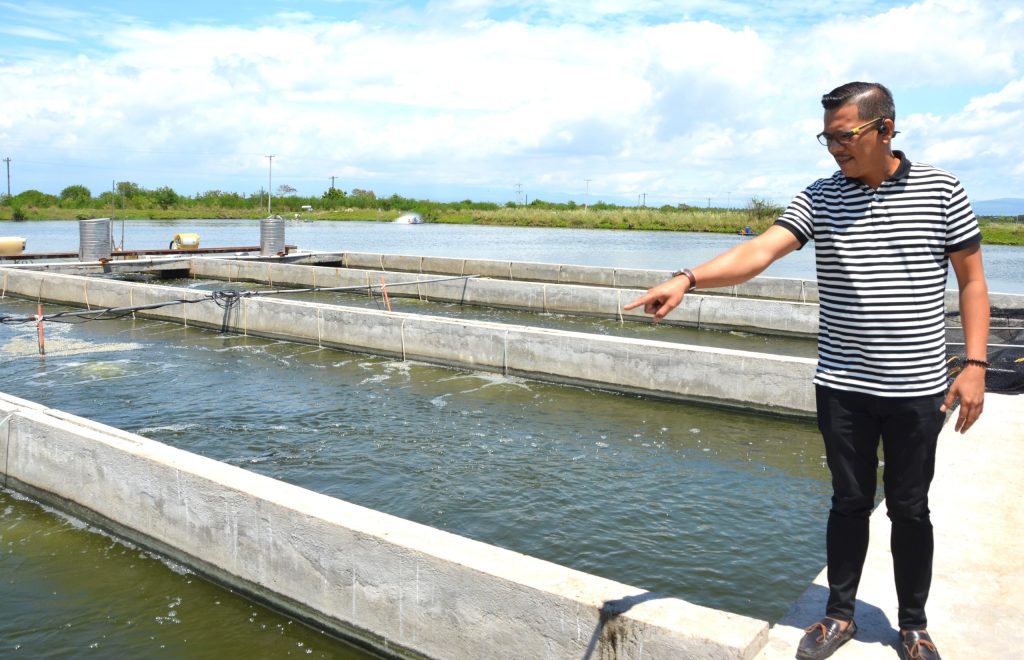
Unlike conventional fishponds, where fish disperse throughout the entire pond, IPRS concentrates fish within specially designed enclosures called raceways.
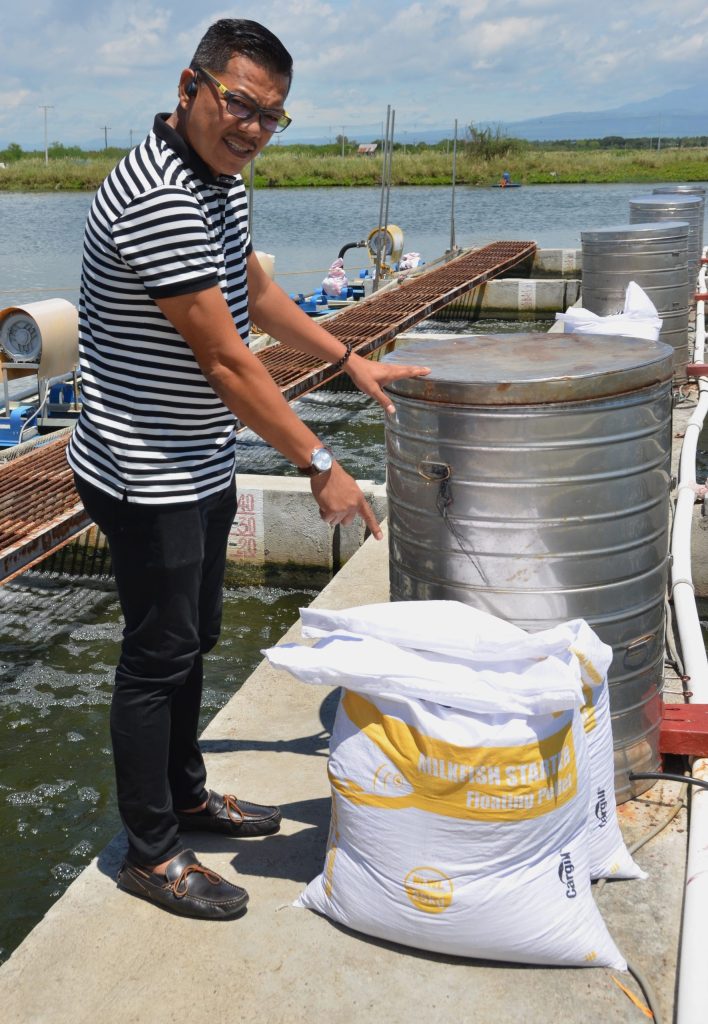
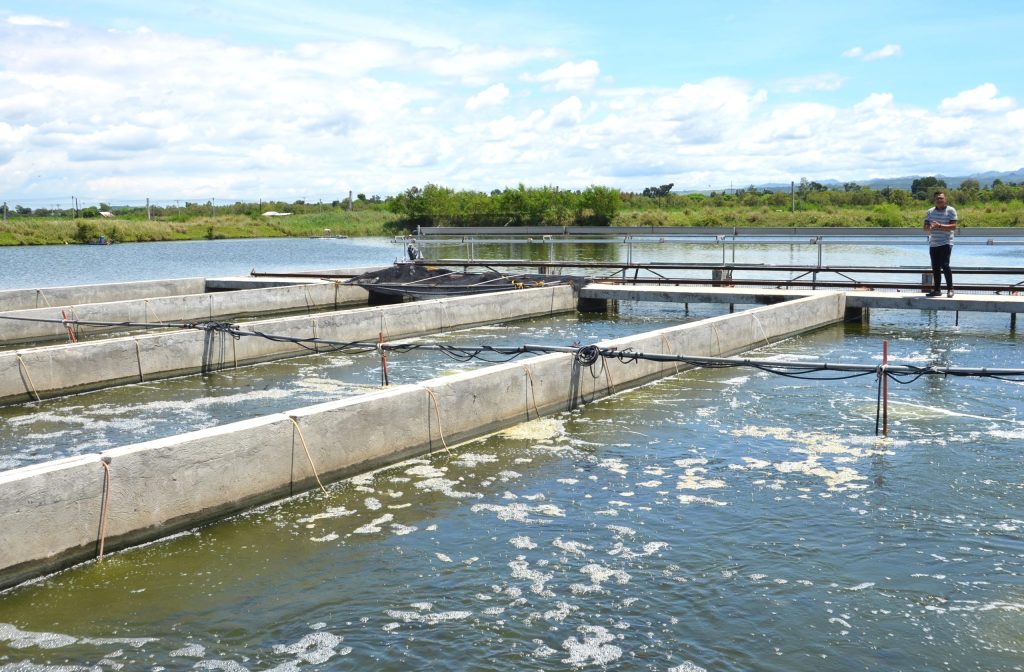
The AAC facility consists of four raceway cells, each measuring approximately 220 cubic meters, situated within a two-hectare pond with a water depth of two meters.
“The IPRS system enables us to stock higher densities of fish in a recirculating water system,” explained Israel M. Mosquera, operations manager of AAC Growout Operations.
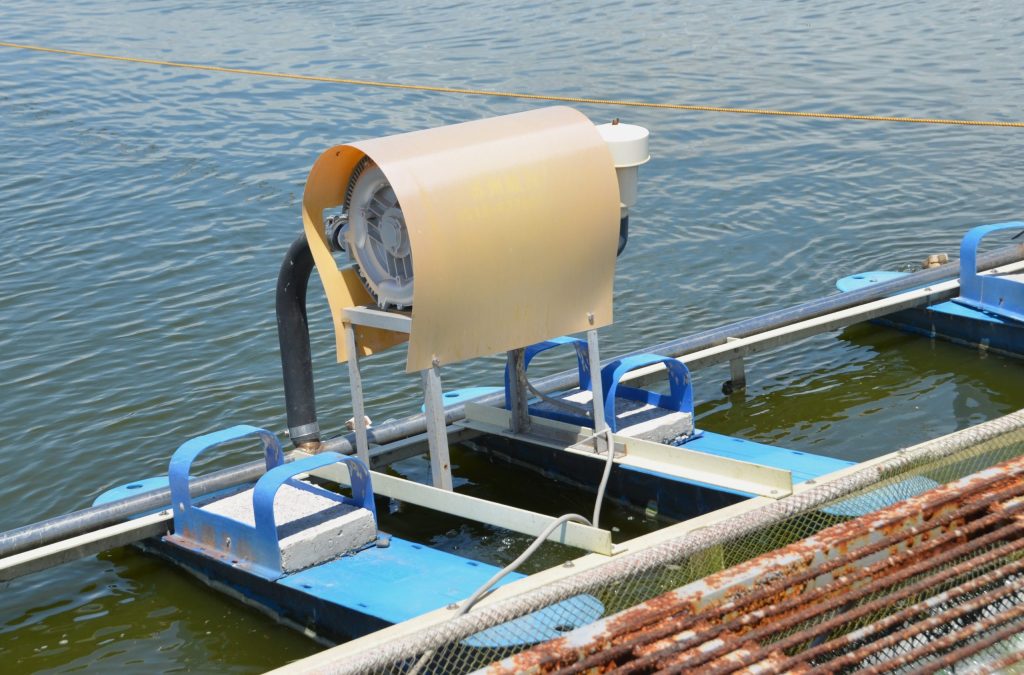
“The water is circulated around the pond all the time by a water impeller that increases the oxygen content in the water and creates a stream to allow the water to circulate throughout the system,” he said. “This makes the system able to culture the fish with high density.”
The pond contains about 10.5 million gallons of water and can accommodate as many as 380,000 tilapia fingerlings. Harvesting takes place after about five months, producing fish weighing between 350 and 500 grams each.
Phytoplankton and beneficial microorganisms help maintain ecological balance throughout the production cycle.
Cleaner Production, Healthier Environment
Perhaps the greatest advantage of IPRS lies in its environmental benefits. In traditional ponds, waste materials accumulate throughout the culture area. IPRS addresses this challenge by concentrating waste at the downstream end of the raceways where it can be collected and treated.
“In our technology, we have a solid waste collection system installed at the end of the cell,” Mosquera explained. “It connects to the sedimentation tanks to allow the water to clear up. The water is then sent to the plant trough or the canal, where aquatic plants are growing. Those plants absorb the residual waste. The clean water is then returned to the pond and recirculated to the cells.”
The result is a system that minimizes pollution, conserves water and improves overall pond health.
Producing More with Less
Beyond environmental sustainability, IPRS offers several operational advantages. Mosquera cites its very high productivity, reduced labor requirements, year-round fish culture capability, and minimal environmental impact as among the system’s major strengths.
“IPRS has a high investment cost,” he admitted. “But if you follow and understand how the system works, then its returns will be positive. We believe also that through this technology, we can produce more with less.”
That philosophy aligns with modern agriculture’s broader goal: increasing food production while using fewer natural resources.
A Bright Future for Philippine Tilapia
For now, tilapia produced in the Philippines is largely intended for local markets. According to the Department of Science and Technology’s Tilapia Industry Profile, the fish is sold fresh, chilled, live, smoked, or processed into fillets.
“The produce can be sold fresh, chilled, or live,” the report notes. “When grown to large size and fileted, tilapia can also be marketed as a premium white fish as its mild tasting lean flesh is flaky for its somewhat firm texture.”
As technologies such as IPRS increase production efficiency and improve product quality, opportunities for export may no longer be far-fetched.
With the country’s growing expertise in aquaculture and the adoption of innovative systems, the humble tilapia may soon become not just a household staple but a globally competitive Philippine export. In an era when wild fish stocks are under pressure, the future of seafood may very well lie in smarter, cleaner, and more productive fish farms. And in Sarangani, that future is already swimming.

 Facebook
 Twitter