
By Karl Jerome M. del Mundo
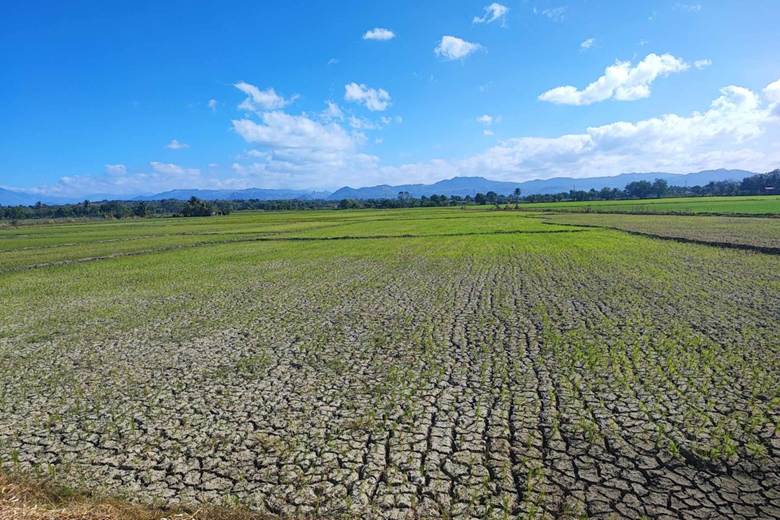
In March 2026, Farmlands in Occidental Mindoro experienced drought brought by the El Niño phenomenon. (Photo from Office of the Provincial Agriculturist Occidental Mindoro)
As parts of the country are now experiencing the effect of El Niño, the Department of Science and Technology-Philippine Atmospheric, Geophysical and Astronomical Services Administration (DOST-PAGASA) will showcase one of its newest tools in monitoring its impacts at the 2026 National Science, Technology, and Innovation Week (NSTW).
The 2026 NSTW is the grand annual gathering of the country’s scientific community to promote awareness on the contributions of science, technology, and innovation in advancing the socio-economic status of the country through research and development. NSTW will be celebrated from November 25–29, 2026 in General Santos City.
The El Niño–Southern Oscillation (ENSO) Assessment Simplified (EASi) Tool is a climate monitoring tool used by DOST-PAGASA to analyze the effects of climate change and variability—specifically the phenomena of El Niño, La Niña, and neutral phase—across different regions in the Philippines.
By definition, ENSO is an ocean-atmosphere climate system that describes how the temperatures and atmospheric pressure patterns in the Pacific Ocean change, causing major global climate variability.
The National Oceanic and Atmospheric Administration (NOAA) reported that ENSO is the “most influential driver of year-to-year global climate variability,” affecting rainfall, temperature, storms, droughts, and floods.
In the Philippines, DOST recently reported that the country would experience a “very strong” El Niño that would persist in the last quarter of the year and gradually subside until the first half of 2027.
“The net effect is that we will have less rainfall—more than 60 percent reduction for at least three months by March (2027)—and an increase in temperature,” DOST Secretary Renato U. Solidum Jr. explained.
Through the EASi tool, historical local rainfall and ENSO will be shown through dynamic visualizations, such as interactive graphs, maps, and charts, enabling assessment of the climate phenomenon’s impacts.
It features a customizable data display that allows users to select specific regions and analyze rainfall trends under varying ENSO phases using data from DOST-PAGASA’s Climate and Agrometeorological Data Section (CADS).
“This is a visual resource for climate specialists, agriculturists, and related agencies to quickly make assessments based on the given parameters,” DOST-PAGASA described.
This allows the national weather bureau to aid in identifying specific regional impacts, including issuing timely forecasts and advisories for El Niño and La Niña, anchored on DOST-PAGASA’s initiatives to provide technologies for disaster risk reduction and climate resilience.
The tool will also be integrated into the El Niño Online Platform (ENOP) for easy access to ensure strategy and readiness to counter the effects of the climate phenomenon.
This technology was featured in the 2025 Handa Pilipinas Exposition, a disaster resilience initiative of the DOST, affirming its potential adoption for various stakeholders from the government and the public for research and educational purposes.
This year, this technology will be featured on the science and technology exhibit in the 2026 NSTW under the Wealth Protection pillar of the DOST—a cluster pertaining to technologies tailored to the Philippine context for disaster and climate change resilience. (PR)

 Facebook
 Twitter