
By Henrylito D. Tacio
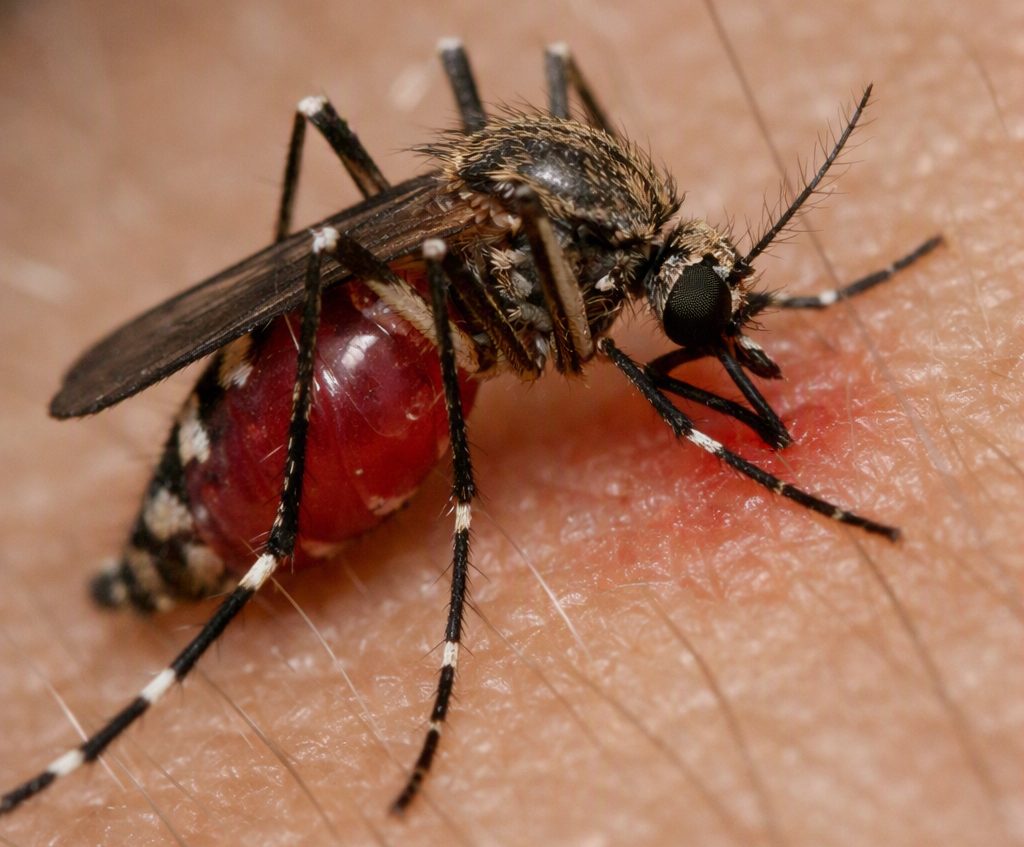
One night last week, I didn’t have a good sleep. I went to bed early at around 8:30 p.m., knowing I had to wake up before dawn for an important meeting the next day. But barely thirty minutes later, I was jolted awake from my deep sleep. A mosquito had bitten me—one of those persistent, blood‑sucking creatures that seem to know exactly when to strike.
I tried to go back to sleep, but the itch was relentless. The more I scratched, the more painful the bitten areas became. Soon, the irritation robbed me of rest entirely. I dabbed alcohol on the bites, hoping for relief. It soothed the skin for a moment, but the itch lingered like a curse.
I transferred to another room, thinking I could escape. For a while, I found peace—until the familiar, hateful whine returned. Evil, treacherous, cunning, and deadly creatures. By 2 a.m., I surrendered and turned on the electric fan to blow them away. When my alarm rang at 4 a.m., I had barely slept for two hours.
Ah, mosquitoes. Dinosaurs have vanished from the face of the earth, yet these tiny tormentors remain. Much as we want to exterminate them, they keep coming back. A mosquito is, in many ways, a reincarnation of Dracula—small, winged, and thirsty for blood.
But unlike Dracula, mosquitoes are not fictional. They are real, and they are deadly. In fact, they are deadlier than any serial killer in human history. They kill silently, swiftly, and in staggering numbers. It is no exaggeration to call them public enemy number one.
According to the World Health Organization, mosquitoes kill 725,000 people every year—more than any other creature on the planet.
The Ancient Killers
Mosquitoes have been around for at least 350 million years, far older than humans and even older than many dinosaurs. Their wings beat 300 to 500 times per second, producing that distinctive whine that novelist D.H. Lawrence once described as a “small, high, hateful bugle” in his ear.
“Few animals on Earth evoke the antipathy that mosquitoes do,” wrote National Geographic. Their itchy bites can ruin a picnic, a hike, or a peaceful night’s sleep. They seem to sense our murderous intentions, flying away milliseconds before a fatal swat. And in bedrooms, their persistent hum can wake even the soundest sleeper.
There are over 2,500 species of mosquitoes worldwide. Each species has its own habitat, behavior, and preferred victims. Though the average mosquito lives only about three weeks, some can survive up to two months under laboratory conditions.
Many species have adapted perfectly to modern urban life. “We unwittingly provide abundant standing water,” says Richard Russell of the University of Sydney. Tin cans, clogged gutters, septic tanks, drainage ditches—these become breeding grounds for mosquitoes, turning our homes into their nurseries.
Why They Bite Us
Mosquitoes track humans through body odor, temperature, and the carbon dioxide we exhale. Only female mosquitoes bite; they need the protein in blood to develop their eggs. When a mosquito bites, it injects saliva containing anticoagulants to prevent blood clotting.
The body reacts to these foreign proteins, causing swelling and itching. The bump around the bite is called a wheal, and the itch persists until the immune system breaks down the saliva proteins.
Health experts recommend washing bites with mild soap and water and avoiding scratching. Anti‑itch creams or mild cortisone ointments can help. Medical attention is rarely needed unless dizziness or nausea occurs, which may indicate an allergic reaction.
The Diseases They Carry
The real danger lies not in the itch—but in the diseases mosquitoes transmit. Malaria, caused by a parasite, remains one of the world’s most serious illnesses. Symptoms can appear days or even months after infection.
Dengue fever, caused by one of four dengue viruses, ranges from flu‑like symptoms to hemorrhagic fever. The WHO notes that dengue’s rise is linked to expanding mosquito habitats and rapid urbanization.
Yellow fever, once a scourge in Europe and North America, still threatens regions where the mosquito vector thrives. Japanese encephalitis, another mosquito‑borne viral disease, has a high fatality rate, with over 50,000 cases and 4,000 deaths annually.
In recent decades, mosquitoes have carried new threats. West Nile virus, once confined to Africa, reached the Western Hemisphere in 1999. It causes encephalitis—an inflammation of the brain—and spreads rapidly through mosquito bites.
Shaping Human History
Mosquitoes are not just deadly; they are powerful. They have shaped human history in ways few creatures have.
In 323 B.C., Alexander the Great died at age 33 from malaria, likely transmitted by a mosquito. His death shattered his dream of a united Greek empire and contributed to the decline of Greek civilization.
In 1658, Oliver Cromwell died of malaria, paving the way for the restoration of the British monarchy.
In the early 1900s, mosquitoes nearly halted the construction of the Panama Canal. Workers fled in fear of yellow fever, and only massive public‑health campaigns allowed the project to continue.
From ancient empires to modern engineering feats, mosquitoes have influenced events far beyond their size.
Why They Keep Winning
Mosquitoes thrive because they are perfectly adapted to survive. They breed quickly, exploit human environments, and evolve rapidly. Climate change, urbanization, and global travel have expanded their territories.
They are small enough to escape notice, yet powerful enough to topple civilizations. And they are persistent. As I learned that sleepless night, they return again and again—whining, biting, and reminding us that the world’s deadliest creature is also one of its smallest.
The Fight Continues
Humanity has tried everything: insecticides, mosquito nets, repellents, environmental cleanup, and even genetic modification. Yet mosquitoes remain undefeated.
The battle is far from over. But awareness, prevention, and public‑health vigilance can reduce their impact.

 Facebook
 Twitter