
Words and Photos by Henrylito D. Tacio
For many people who have recently embraced healthier lifestyles, giving up alcohol remains one of the hardest adjustments. Social gatherings, celebrations, and quiet evenings often feel incomplete without a familiar sip. Fortunately, nature offers a compromise—fruit wines. These beverages, crafted from nutrient‑rich fruits, provide the sensory satisfaction of wine while delivering health‑boosting compounds that commercial liquors simply cannot match.
Among the many fruit wines recognized for their nutritional value, one stands out for its cultural roots, scientific backing, and growing popularity: bignay wine. Identified by the Department of Agriculture’s Bureau of Agricultural Research (DA‑BAR) as one of the country’s healthiest fruit wines, bignay wine is more than just a drink. It is a fusion of Filipino heritage, agricultural innovation, and nutritional science.
Fruit wines are often praised for their antioxidant content, natural sugars, and lower alcohol levels. Some studies suggest that moderate consumption of fruit wines may reduce cancer risk, support cardiovascular health, and provide essential calories without contributing to weight gain.
Bignay wine is slightly sweet with a smooth, light-bodied feel and a distinct fruity fragrance.
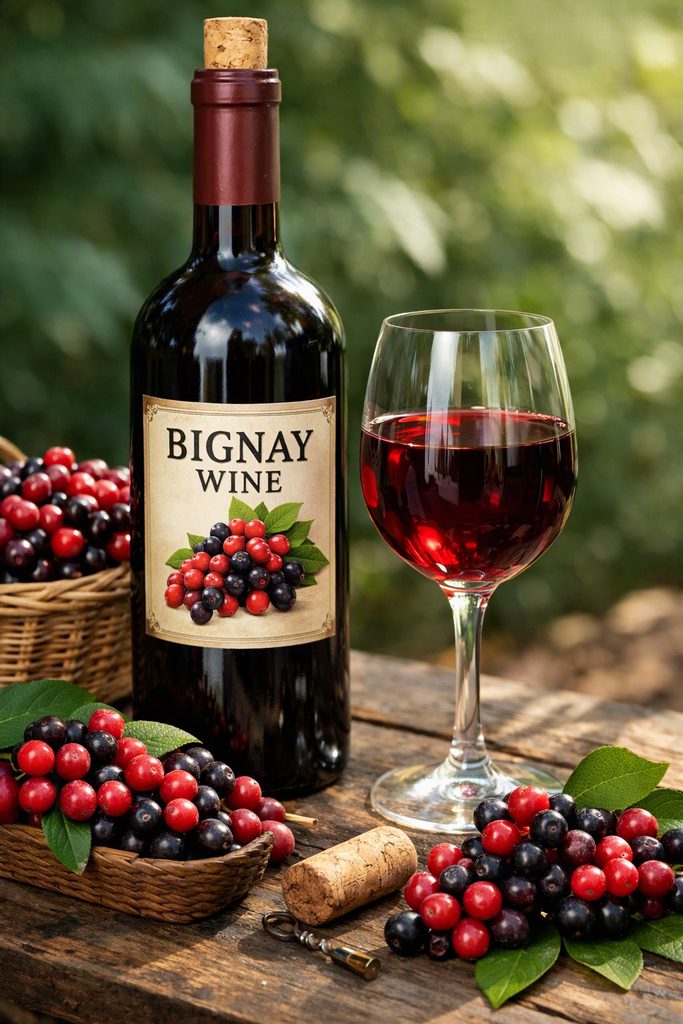
Bignay wine, in particular, is rich in vitamins A, C, E, and B1, along with minerals such as potassium, phosphorus, and iron. It also contains catechins—powerful antioxidants known for fighting free radicals that accelerate aging and trigger chronic diseases.
With its deep red color and smooth, fruity aroma, bignay wine offers a sensory experience comparable to grape wine. Aged for at least six months in glass vats, it develops a refined flavor profile that appeals to both casual drinkers and wine enthusiasts.
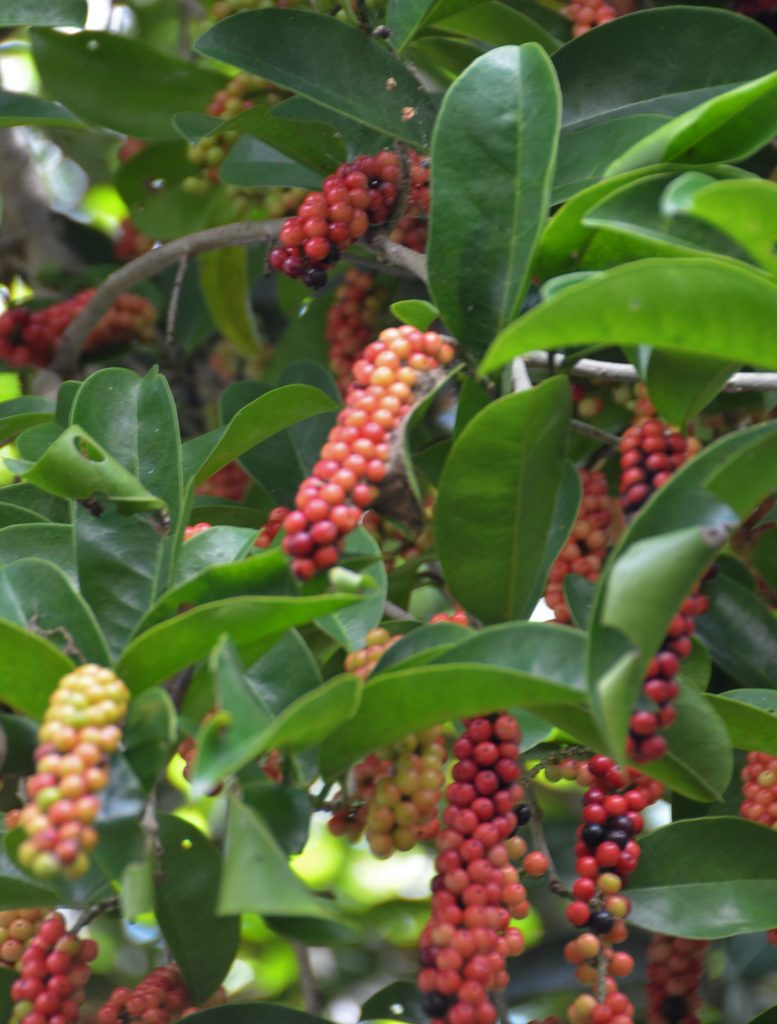
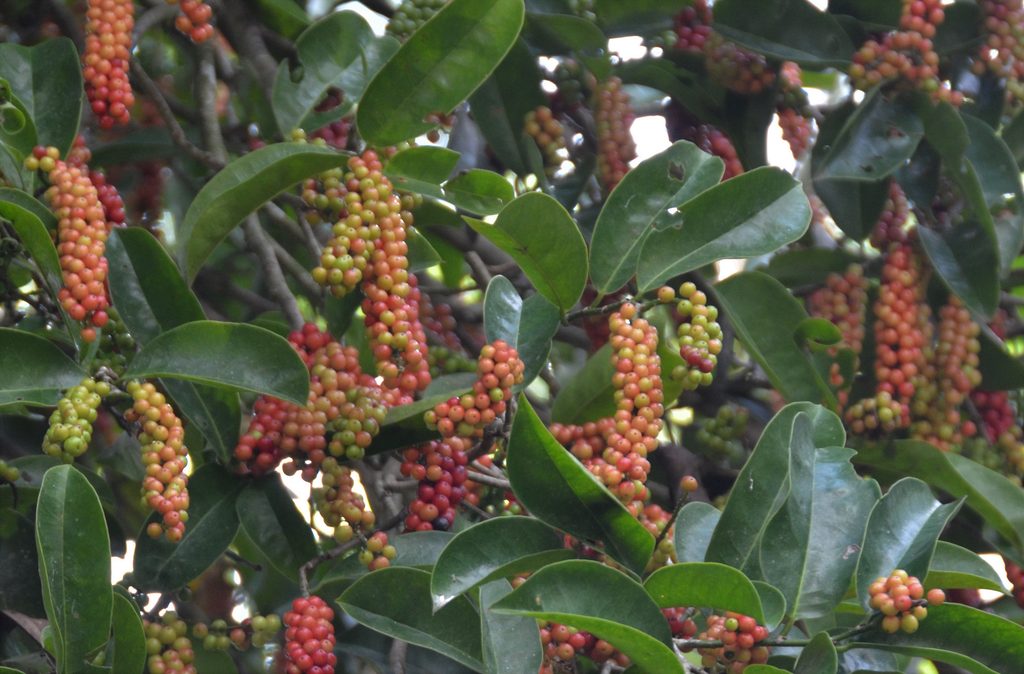
Bignay (Antidesma bunius) is native to Southeast Asia and northern Australia. In the Philippines, it is known by several names—bugnay, bignay, and currant tree. The fruit grows in clusters, ripening unevenly, resulting in bunches with varying shades of red, purple, and black. Each fruit resembles a tiny grape, about the size of a toy pellet.
The skin yields a red juice, while the pulp produces a colorless one. Immature fruits taste sour, similar to cranberries, while ripe ones develop a tart yet sweet flavor. Filipinos have long used bignay in cooking: ripe fruits for desserts, green fruits for fish soups, and leaves for salads or tea. Beyond culinary uses, bignay has a long history in traditional medicine.
Leaves are used for snakebites, bark and stems for fevers, and boiled leaves for joint pain. Its anti-inflammatory properties make it useful for treating skin conditions such as boils, allergies, and acne.
A bignay tree produces small, round fruits that grow in long, grape-like clusters.
However, caution is necessary. The bark and roots contain toxic alkaloids, and pregnant women are advised not to consume bignay due to its abortifacient properties.
The process of crafting bignay wine is both meticulous and scientific. The Institute of Food Science and Technology at the University of the Philippines Los Baños (UPLB), through a DA‑BAR funded project, developed a standardized method to ensure quality and safety.
Materials Needed
Bignay fruits, refined sugar, wine yeast, sodium metabisulfite, cotton, flasks, funnel, gallon jars, tray or basin, strainer, wire needle, paddle, graduated cylinder, fermentation lock, wine bottles, cork or aluminum cap, cap seal, water bath, blender, pH meter, and refractometer.
Step 1: Starter Preparation
Pasteurize 10% of the must (fruit mixture) in boiling water for 30 minutes. Cool to 40–45°C. Inoculate with pure wine yeast and ferment for 18–24 hours. This starter will later activate fermentation in the main must.
Step 2: Preparing the Must
Wash 1 kilogram of fully ripe bignay fruits and drain. Macerate by hand or using a pulper. Add 2 liters of water. Adjust sugar content to 20°Brix for dry wine or 25°Brix for sweet wine.
Add 5 milliliters of 10% sodium metabisulfite per gallon of must to eliminate spoilage microorganisms. Cover and let stand for 16–18 hours.
Step 3: Primary Fermentation
Add the starter and ferment for four days. Filter to remove seeds and pulp. Transfer the liquid to clean jars fitted with fermentation locks. Allow anaerobic fermentation for three weeks.
Step 4: Siphoning and Aging
After three weeks, siphon the wine carefully to avoid disturbing sediments. Add another 5 milliliters of sodium metabisulfite per gallon. Fill jars to the brim to minimize oxygen exposure. Store in a cool, dry place (around 20°C) for at least six months.
Step 5: Bottling
Once matured, transfer the wine to clean bottles. Seal with cork or aluminum caps, then apply a paraffin‑glycerine mixture or plastic seal. Finish with a cap seal.
Bignay’s nutritional profile makes it a standout among tropical fruits. Its antioxidants help combat free radicals, reducing risks of premature aging, fine lines, and even cancer. For individuals with hypertension, bignay leaves and fruits may help regulate blood pressure, potentially preventing cardiovascular complications.
The berries ripen unevenly on the same cluster, turning from white and green to yellow, bright red, and finally deep purple or almost black.
Bignay tea is also known as a natural colon cleanser. Its detoxifying properties help eliminate toxins, improve digestion, and support weight management. Regular consumption may contribute to clearer skin, better metabolism, and improved overall wellness.
Bignay can be grown from seeds, but this method is discouraged because seedlings may turn out male or take years to bear fruit. Vegetative propagation—cuttings, grafting, or air‑layering—is preferred. Air‑layered plants can bear fruit within three years.
When grafting, the rainy season is ideal because scions remain dormant during dry weather. Trees should be planted 12–14 meters apart. For proper pollination, one male tree should be planted for every 10–12 female trees.
These are the planting steps. Dig a hole slightly deeper than the root ball. Enrich the hole with organic matter, humus, and dried leaves. Place the planting material and cover with soil. Apply mulching materials like rice straw or cut grasses to retain moisture. Water daily in the morning. Provide wind protection during early growth.
Bignay trees require minimal care once established. Yields vary widely, especially for seed-grown trees. In Florida, mature trees have produced up to 15 bushels of fruit per season, with exceptional trees yielding as much as 22 bushels—equivalent to 72 gallons of juice.
Bignay fruits can be made into jams, preserves, and jellies. Combined with other fruits, they create flavorful spreads. The pulp enhances desserts like cakes, ice cream, and bavarois. Leaves can be used in salads or brewed into tea.
Bignay wine represents more than a beverage. It is a celebration of Filipino biodiversity, ingenuity, and tradition. As consumers become more health conscious, fruit wines like bignay offer a refreshing alternative—one that nourishes the body while honoring local agriculture.
In every bottle of bignay wine lies a story: of farmers who cultivate the trees, scientists who refine the process, and communities who preserve the fruit’s cultural significance. It is a drink that bridges the past and the present, offering a healthier future for those who choose it.

 Facebook
 Twitter