
Words and Photos by Henrylito D. Tacio
“Notice that the stiffest tree is most easily cracked, while the bamboo or willow survives by bending with the wind,” Bruce Lee once said.
The late martial artist’s words capture not only the plant’s resilience but also the enduring cultural reverence it enjoys across Asia. In the Philippines, legend tells of the first man and woman emerging from split bamboo stems—a narrative that hints at how deeply woven bamboo is into the region’s identity.
Today, bamboo is no longer merely a cultural symbol or a familiar sight in rural landscapes. It is increasingly recognized as a powerful economic resource—one that could reshape industries, uplift communities, and offer sustainable alternatives in a world grappling with environmental decline. Once dismissed as “poor man’s timber,” bamboo is now being hailed as the material of the millennium.
Across the globe, bamboo thrives in 91 genera and approximately 1,000 species. In the Philippines, eight commercial species grow abundantly in Iloilo, Davao, Bukidnon, and parts of Luzon. Yet despite this natural wealth, the country has historically undervalued bamboo’s potential.
A Dabawenyo councilor once lamented that while other countries such as China, Malaysia, the United States, and France were “making a killing out of bamboo,” the Philippines remained largely unaware of its own advantage. “The tragedy here,” he said, “is that we have an abundance of bamboo but we do not know much about it.”
That is slowly changing. The Department of Environment and Natural Resources (DENR) now recognizes bamboo’s vast promise. “Bamboo is now recognized as the material of the millennium,” the agency declared, citing its versatility and rising global demand.
Bamboo poles suitable for building.
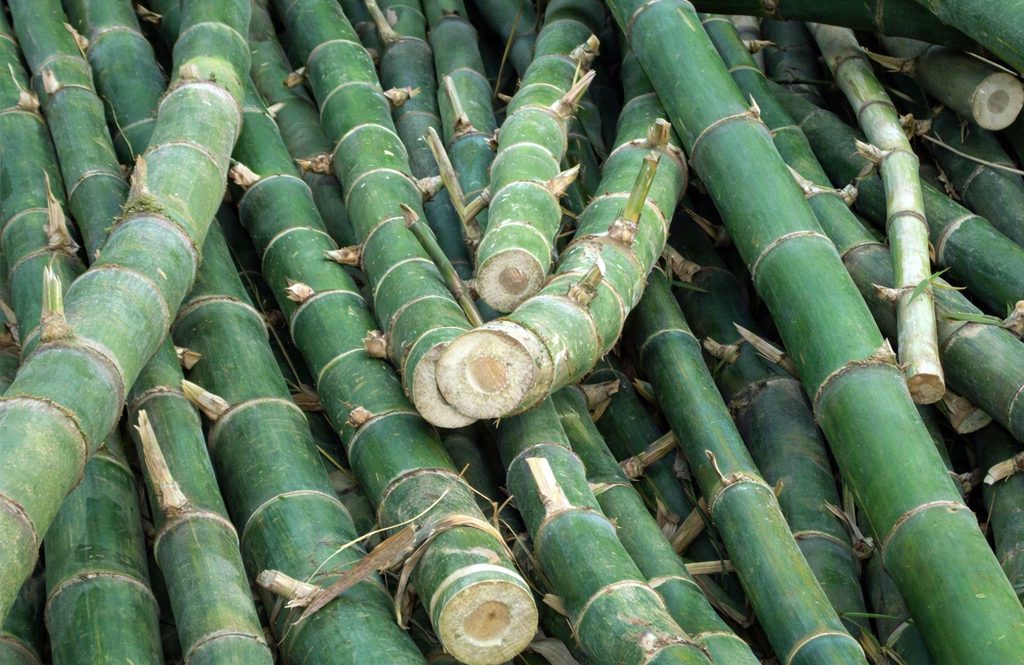
Bamboo is the world’s tallest grass, distinguished by its woody culm, robust rhizome system, and infrequent flowering. Its uses span food, construction, crafts, textiles, energy, and even cosmetics. As Steve Lacy said, “Bamboo is not a weed; it is a flowering plant. Bamboo is a magnificent plant.”
Thomas Edison used carbonized bamboo filaments in his early lightbulb experiments. Alexander Graham Bell used bamboo for his phonograph needles. Today, innovators continue to discover new applications—from bamboo bricks and floor tiles to surfboards, soaps, and medicines.
“You can eat, wear, and build with bamboo,” noted Michael Block. Indeed, Filipinos have long enjoyed bamboo shoots as food—whether pickled, in fresh lumpia, or cooked with coconut and shrimp. Across Asia, bamboo shoots are a culinary staple. Taiwan alone consumes 80,000 metric tons annually.
With growing global interest in Asian cuisine, bamboo shoots are gaining traction in international markets. According to DataIntelo, the global bamboo shoots market is valued at $3.8 billion and is projected to reach $6.4 billion by 2034, expanding at a steady compound annual growth rate (CAGR) of 5.9%.
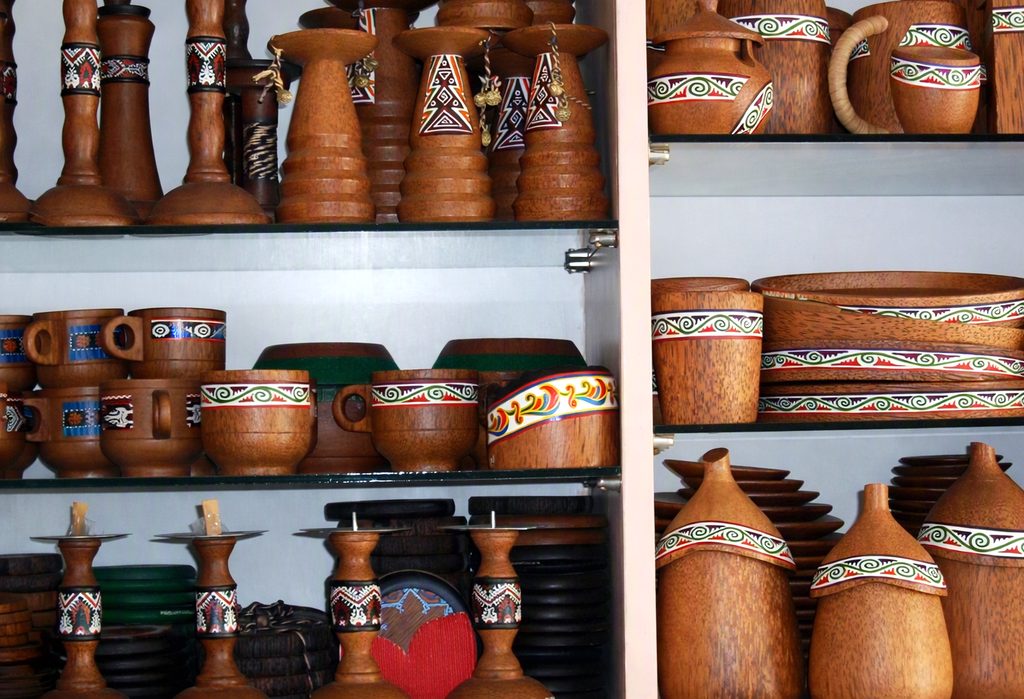
The Department of Trade and Industry (DTI) points out that bamboo furniture and handicrafts hold strong export potential, driven by consumer preference for sustainable, non‑plastic alternatives. Finished bamboo products—rather than raw culms—command higher profit margins due to low manufacturing costs and the premium placed on artisanal craftsmanship.
“We are not talking here of raw bamboo for export, but of finished products made from bamboo,” the DTI emphasized. “From root to tip, you can make soap, medicines, cosmetics, furniture, bricks, clothing, paper, floor tiles, wall panels, beverages, food—even surfboards.”
These are some of the products made from bamboo.
Globally, bamboo’s role in construction is equally significant. In Bangladesh, 73% of people live in bamboo houses. In Costa Rica, bamboo structures have withstood earthquakes that toppled buildings made of other materials. In Tokyo and Hong Kong, bamboo scaffolding remains a trusted engineering solution.
Its cultural footprint is also extensive. The famous Bamboo Organ of Las Piñas features pipes crafted entirely from bamboo culms. In Java, Indonesia, artisans have developed at least 20 musical instruments from bamboo.
As forests shrink and timber becomes scarce, bamboo offers a compelling alternative. Unlike softwood trees, which take decades to mature, bamboo grows rapidly and can be harvested in four to five years. Once established, bamboo stands can produce successive harvests for 30 to 50 years.
“If the bamboos thrive,” one grower said, “you are assured of income for the next 30 to 50 years.”
A bamboo is not a tree but a grass.
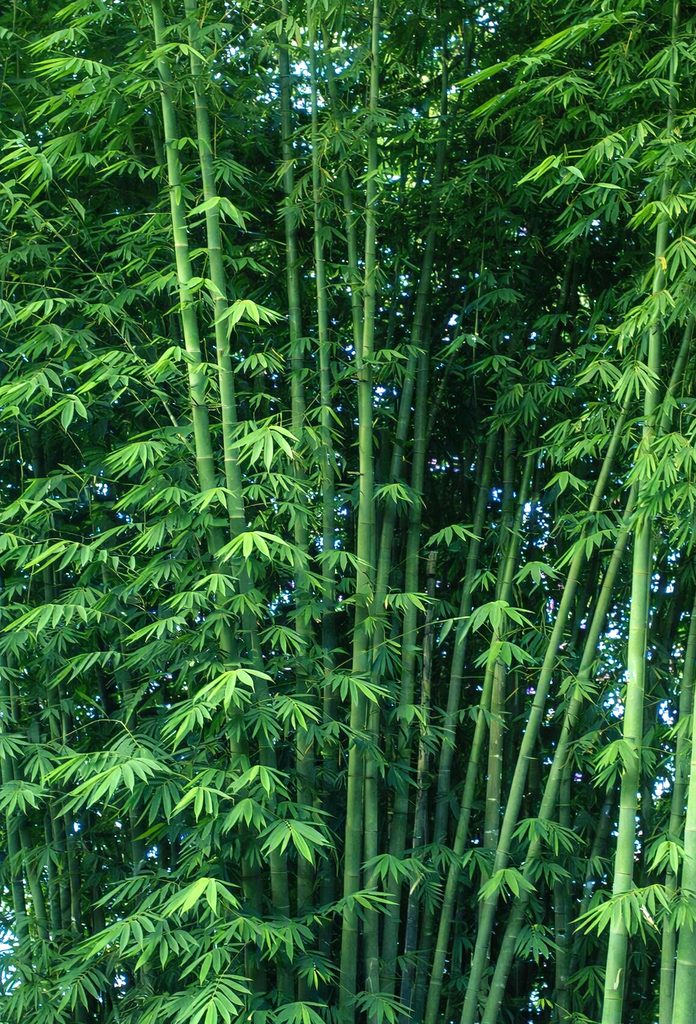
Bamboo flourishes in diverse environments—from lowlands to mountain forests, in dry and humid tropics, on wastelands, in swamps, and along riverbanks. This adaptability makes it ideal for reforestation, erosion control, and climate‑resilient agriculture.
Bamboo farming is labor‑intensive during the first two years, with labor accounting for roughly 90% of production costs. However, once the plants mature, maintenance requirements are minimal and returns multiply.
Unlike volatile livestock markets, bamboo prices remain stable, determined primarily by diameter, volume, and transportation distance.
“It is a pity that we have neglected this valuable crop for so long,” said Jethro P. Adang, Director of the Mindanao Baptist Rural Life Center (MBRLC), which integrates bamboo into its agroforestry programs.
In Rodriguez, Rizal, bamboo is emerging as a driver of livelihood development and sustainable fuel production. A partnership between the Forest Products Research and Development Institute (FPRDI) of the Department of Science and Technology (DOST), the DENR, the Barangay Puray Upland Farmers Association Inc., and the Tribal Council Association of Puray Inc. aims to convert locally grown bamboo into charcoal briquettes.
“Livelihood and environmental protection do not have to be competing goals,” said Science Secretary Renato U. Solidum Jr. “With appropriate technology, communities can utilize resources such as bamboo while reducing dependence on wood for charcoal.”
Charcoal briquetting compresses carbonized biomass and charcoal fines into compact fuel using binders and briquetting machines. The resulting briquettes burn longer and generate more intense heat than conventional charcoal. While bamboo is well‑suited to this process, other materials—including coconut shells, husks, coffee husks, and sawdust—may also be used.
“This approach gives communities greater flexibility in sourcing feedstock,” explained FPRDI Director Rico J. Cabangon. “It creates opportunities to transform agricultural and forestry residues into valuable fuel products rather than allowing them to go to waste.”
Rodriguez offers a strong foundation for the initiative, with 1,642 hectares of bamboo plantations in Barangay Puray. Participating organizations manage extensive additional areas: 167 hectares under Remontado Balik Kalikasan Inc., 197 hectares under the Upland Farmers Association, and nearly 300 hectares under the Tribal Council Association.
The project advances FPRDI’s broader mission: assisting communities in the productive use of locally available biomass while lessening pressure on natural forests. Technology transfer, Cabangon stressed, involves more than supplying equipment—it must be tailored to each community’s resources and capabilities.
Bamboo’s potential is immense, yet unlocking it requires sustained investment, research, and community engagement. The Philippines possesses the natural resources, cultural heritage, and growing market demand to build a flourishing bamboo industry. What is needed now is coordinated action—from government agencies, private enterprises, farmers, and local communities.
As global demand for sustainable materials rises, bamboo stands at the crossroads of tradition and innovation. It is a plant that has inspired legends, fed generations, sheltered families, and guided artisans—and now promises to power industries and sustain livelihoods.
Resilient, renewable, and extraordinarily versatile, bamboo truly embodies hope: hope for greener economies, stronger communities, and a future where nature and development grow as one.

 Facebook
 Twitter