
Words and Photos by Henrylito D. Tacio
(Second of Two Parts)
In Davao, durian is heritage, livelihood, and pride. Yet despite this natural advantage, the region’s durian industry remains largely domestically consumed, with only modest penetration into the international market.
The global durian trade is booming. China’s demand has surged exponentially, with imports from Thailand and Malaysia reaching billions of dollars annually. Premium varieties like Musang King and Monthong have become global icons, commanding high prices and strong brand recognition.
In contrast, Philippine durian—particularly Davao’s prized Puyat, Arancillo, and D101—remains underrepresented abroad. The question now is urgent and strategic: How can Davao durian break through international borders and claim its rightful place in the global market?
A Fruit with Global Potential
Davao’s durian has qualities that international consumers already appreciate: creaminess, balanced sweetness, and a distinctive aroma that durian enthusiasts seek. The region’s climate is ideal—warm, humid, and stable. Its soil, enriched by Mount Apo’s volcanic history, produces durian with depth and complexity. Many foreign visitors who taste Davao durian for the first time are surprised by its quality, often comparing it favorably with Malaysian and Thai varieties.
But global markets do not reward quality alone. They reward consistency, branding, supply reliability, and compliance with international standards. This is where Davao must evolve.
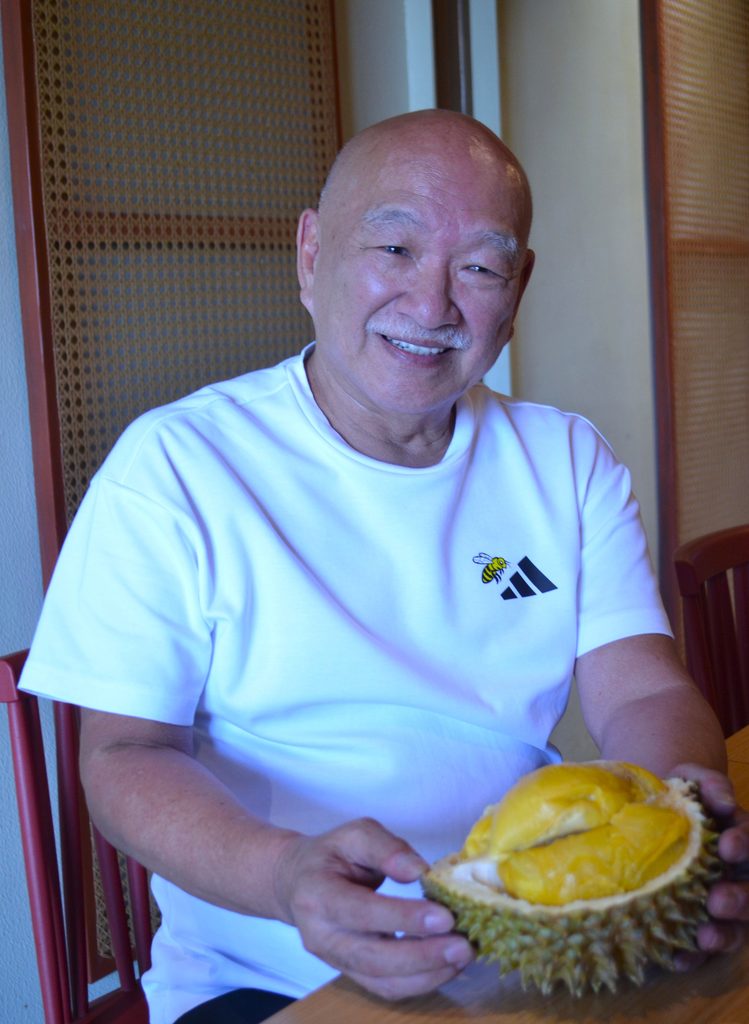
Today, that opportunity is finally within reach. And one of the strongest voices pushing for this breakthrough is Arturo Uy, former governor of Davao de Oro, who has been championing a more disciplined, science‑driven, and market‑oriented durian industry.
Uy’s insights, shaped by his benchmarking visits to Malaysia and his decades of experience with growers, offer a clear roadmap: If Mindanao, Davao particularly, wants to penetrate the international market, it must transform how it grows, handles, and markets durian. The world is ready for Philippine durian—now the industry must be ready for the world.
Standardize Quality Like a Global Brand
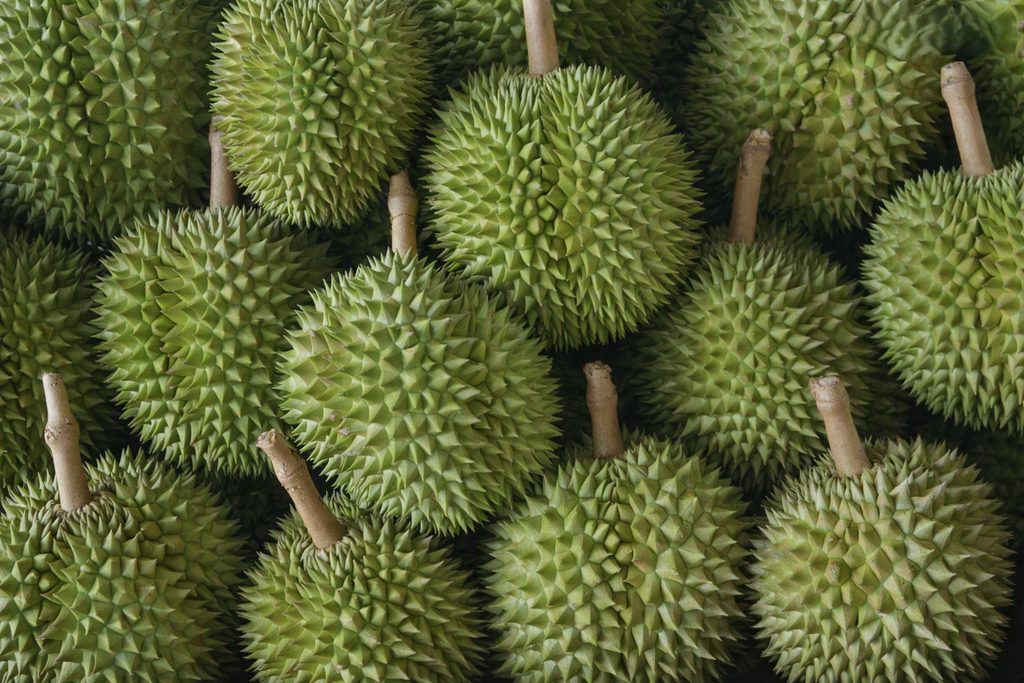
Uy’s strongest recommendation is simple but revolutionary: standardize quality. As stated earlier, international buyers—from China to Singapore—demand consistency. They want durian that looks, smells, and tastes the same every shipment. Malaysia’s Musang King and Thailand’s Monthong succeeded not because they were the best varieties, but because they were consistent.
Uy emphasizes that Mindanao must adopt the following: uniform grading systems, strict ripeness indicators, scientific sorting and packaging protocols, and farm‑level discipline in orchard management.
This is the foundation of global trust. Without it, Philippine durian will remain a curiosity rather than a commodity.
Develop More Market‑Ready Varieties
Mindanao has dozens of excellent durian varieties—Puyat, Arancillo, D101, Duyaya, and countless native types. But Uy stresses that only a few have been studied, catalogued, and promoted. Malaysia’s success came from aggressively branding specific cultivars. The Philippines must do the same.
Uy suggests the following: identifying varieties with export potential (creamy, stable texture, longer shelf life), conducting scientific trials to determine which varieties perform best under cold chain conditions, and promoting multiple flagship cultivars, not just Puyat, to diversify market appeal.
The world loves variety. Mindanao can offer it—if it organizes and promotes it properly.
Invest in Post‑Harvest Infrastructure
Durian is delicate. Mishandling can ruin quality within hours. Uy repeatedly highlights that post‑harvest systems are the weakest link in the Philippine durian chain.
To penetrate the international market, Mindanao must strengthen: cold chain facilities in major durian‑producing provinces, modern packing houses with proper sanitation and temperature control, transport protocols that prevent bruising and premature ripening, and blast‑freezing technology for frozen durian exports.
China, the world’s largest durian importer, prefers frozen whole fruit and frozen pulp. Uy believes Mindanao can dominate this segment—if it invests in the right infrastructure.
Build a Unified Durian Industry
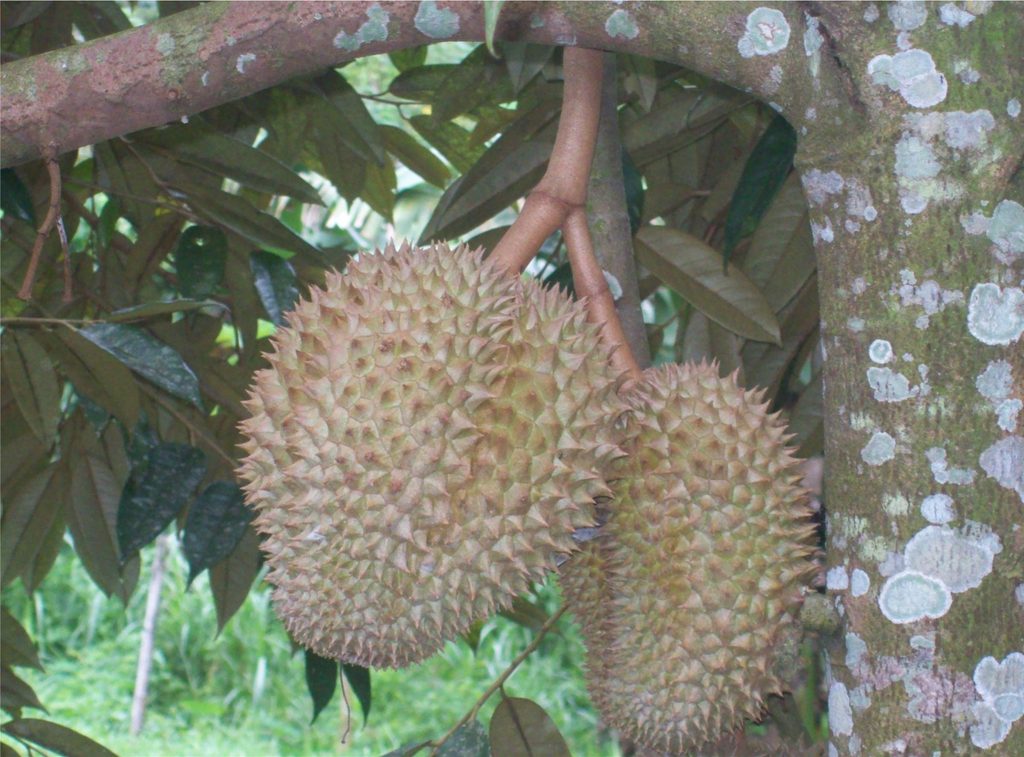
One of Uy’s most important observations from Malaysia is the power of unity. There, growers, exporters, and government agencies move in the same direction. In contrast, Mindanao’s durian industry is fragmented—thousands of growers operating independently, each with different standards.
Uy recommends organizing growers into cooperatives or clusters, creating a regional durian council to set standards and coordinate marketing, training farmers in modern orchard management, and encouraging collective branding and collective bargaining.
Unity is not just about cooperation—it is about creating a single, recognizable identity: Davao Durian, a brand the world can trust.
Strengthen Export Compliance
International markets have strict phytosanitary requirements. Uy stresses that Philippine growers must meet global food safety standards, adopt traceability systems, implement pest and disease monitoring protocols, and work closely with national agencies to secure export certifications.
China’s market alone is worth billions of dollars. But it demands discipline. Uy believes Mindanao can meet these standards—if growers commit to long‑term compliance.
Brand Durian as a Cultural Experience
Durian is not just a fruit; it is a story. Uy encourages Mindanao to embrace agrotourism and cultural branding. The Kadayawan Festival already celebrates durian as a symbol of Davao’s identity. This cultural capital can be leveraged internationally.
Possible strategies include durian tasting tours for foreign visitors, story‑driven marketing campaigns, showcasing Mindanao’s volcanic soil and climate as part of the brand narrative, and promoting durian‑based products like coffee blends, pastries, candies, and ice cream.
Branding must be bold, unified, and strategic. Davao can position itself as the home of premium Philippine durian, a producer of creamy, aromatic varieties, and a region with volcanic soil that enhances flavor. It can also promote durian‑based products like coffee blends, pastries, candies, and ice cream.
Marketing campaigns should highlight the story of Davao, the heritage of its growers, and the uniqueness of its varieties. The world loves authenticity. Mindanao has plenty of it.
Mindanao Must Be Ready
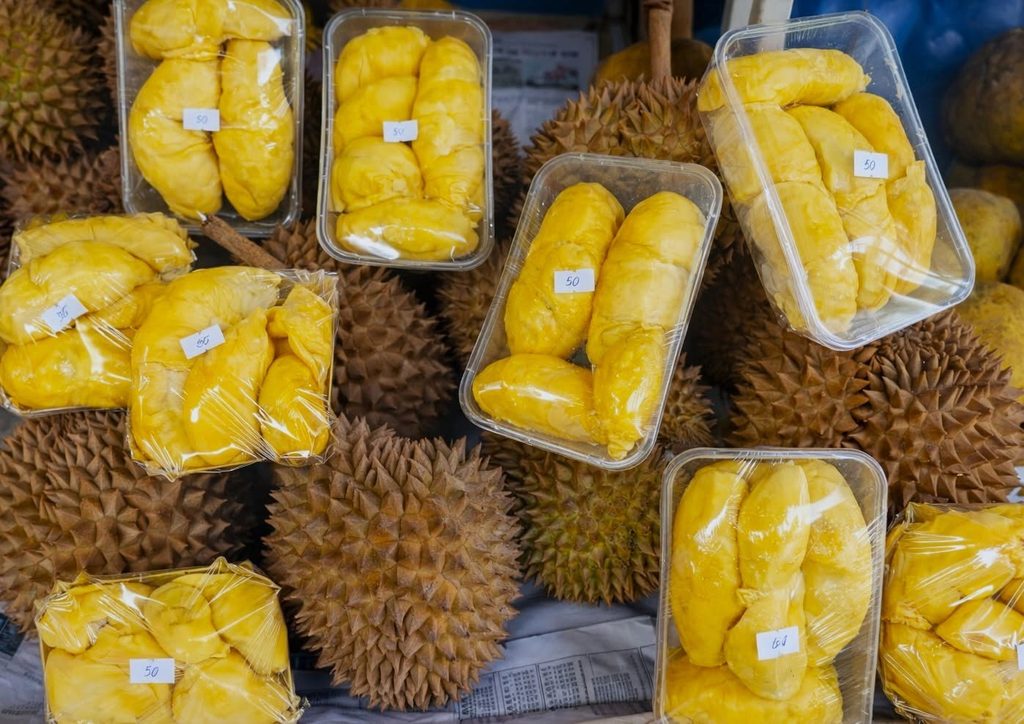
Durian’s global demand is skyrocketing. China alone imports billions of dollars’ worth of the fruit every year. Malaysia and Thailand cannot meet this demand forever. The Philippines—especially Mindanao—has the climate, the varieties, and the passion to rise as the next major durian powerhouse.
Arturo Uy’s recommendations are not theoretical; they are practical, proven, and urgent. Standardize quality. Strengthen post‑harvest systems. Build unity. Promote varieties. Invest in infrastructure. Brand durian as a cultural treasure.
If Mindanao embraces these steps, the world will finally taste what Dabawenyos have always known: Philippine durian is truly world‑class. And once the world discovers that, there will be no turning back.

 Facebook
 Twitter