
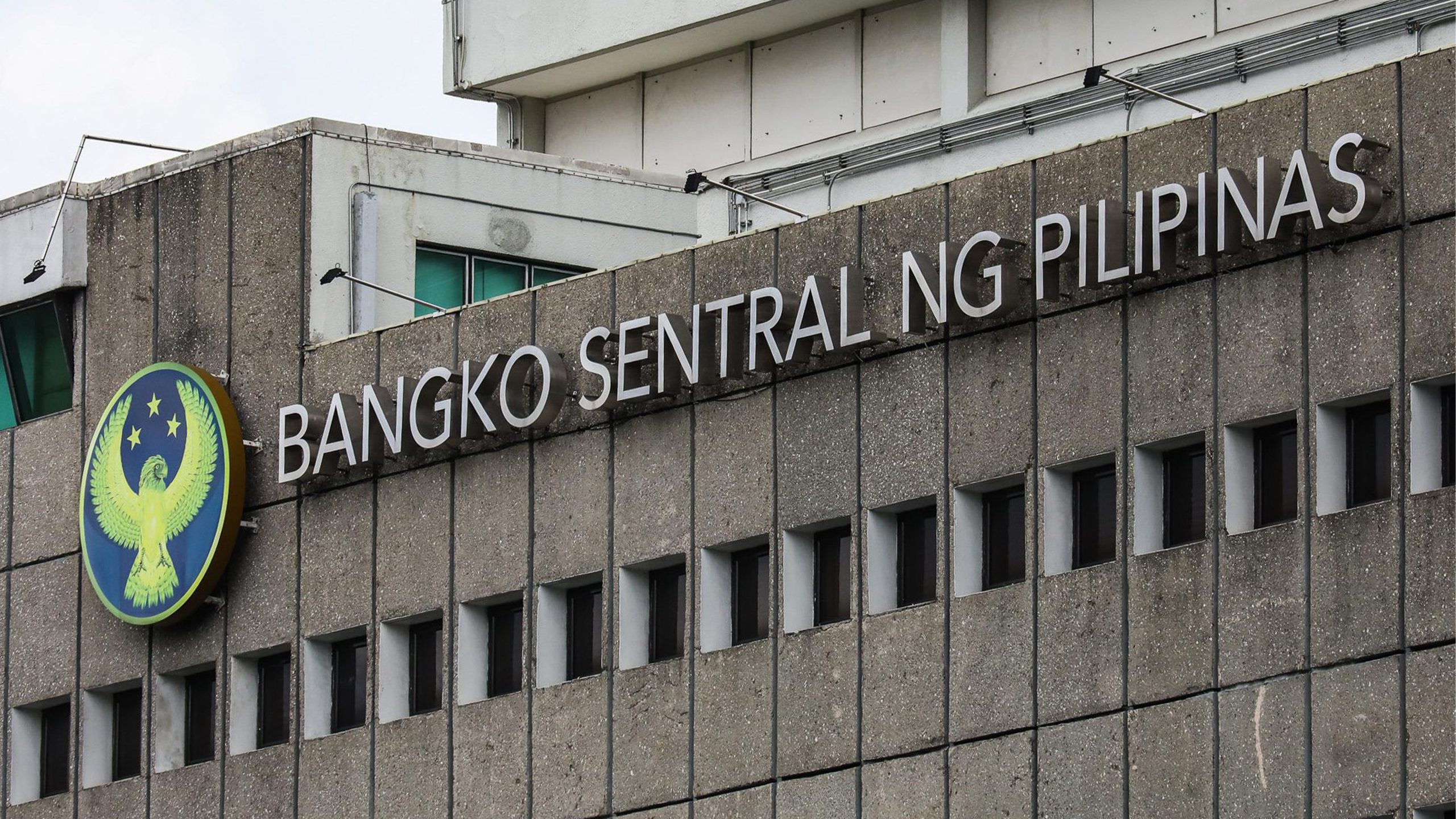
The BSP interest rate 2026 has become an important concern for Filipino consumers as the central bank’s benchmark rate reaches 5.50%. The monetary policy adjustment could influence borrowing costs across the country, potentially affecting personal loans, housing mortgages, credit card balances, and business financing. For households already dealing with rising living expenses, understanding how the latest interest rate decision affects their finances is increasingly important.
In its November 24, 2026 monetary policy decision, the BSP Monetary Board increased the Target Reverse Repurchase (RRP) Rate by 50 basis points, equivalent to half a percentage point. The adjustment also brought the overnight deposit facility rate to 5.00% and the overnight lending facility rate to 6.00%.
The latest increase could have implications for Filipino households, particularly those relying on personal loans, housing mortgages, credit cards, and business financing. It may also influence the interest rates offered by banks on savings and time deposits.
For millions of Filipinos managing household expenses and existing financial obligations, the central bank’s decision is worth watching.
Why Did the BSP Raise Interest Rates?
The BSP’s latest move comes amid rising inflation and concerns about the country’s economic conditions.
According to the Philippine Statistics Authority (PSA), the country’s headline inflation accelerated to 7.8% in October 2026, up from 7.2% in September. This is significantly higher than the 1.7% recorded during the same month last year.
Core inflation, which excludes selected volatile food and energy items, also increased to 5.4% in October from 4.8% in September.
Rising consumer prices reduce the purchasing power of households, meaning families need to spend more money to purchase the same goods and services.
By increasing interest rates, the BSP aims to tighten financial conditions, manage inflation expectations, and prevent price increases from becoming more persistent.
The central bank said the adjustment would help contain spillover effects and firmly anchor inflation expectations.
How Higher Interest Rates Could Affect Personal Loans
One of the most immediate concerns for consumers is the possibility of higher borrowing costs.
When the BSP increases its benchmark rate, banks may gradually adjust their lending rates to reflect changes in funding costs and overall financial conditions.
This could make new personal loans more expensive for Filipinos borrowing money for emergencies, education, medical expenses, or other household needs.
However, the adjustment does not mean every existing loan will automatically become more expensive.
Borrowers with fixed-interest agreements generally retain their agreed rates during the fixed-rate period. Those with variable-rate loans may experience changes depending on their loan contracts and scheduled repricing.
Filipinos planning to apply for personal loans should compare interest rates, processing fees, repayment periods, and the total amount payable before accepting an offer.
Housing Loans and Mortgage Payments May Face Pressure
Filipinos planning to purchase homes or currently paying housing mortgages could also feel the effects of tighter monetary conditions.
Banks may adjust their housing loan rates depending on market conditions and their lending policies.
Borrowers with floating-rate mortgages or loans approaching their repricing dates should pay particular attention to possible changes in monthly amortization.
For example, a homeowner with a mortgage that is subject to interest-rate repricing could face higher monthly payments if the bank increases its applicable lending rate.
However, the BSP’s 5.50% policy rate is not the same as a bank’s mortgage interest rate. Actual housing loan costs depend on the lender, loan amount, repayment period, borrower qualifications, and applicable contract terms.
Those planning to purchase property should consider whether their monthly income can comfortably accommodate possible future increases in borrowing costs.
Will Credit Card Interest Rates Increase?
Credit card users may also wonder whether the BSP’s latest decision will make their outstanding balances more expensive.
Credit card interest rates do not automatically increase whenever the central bank raises its benchmark rate. Card issuers follow their applicable pricing arrangements and regulatory requirements.
Nevertheless, carrying unpaid credit card balances can already be expensive, particularly for consumers who only make minimum monthly payments.
Filipinos should avoid accumulating unnecessary credit card debt and prioritize paying their outstanding balances on time.
Consumers who regularly use credit cards should also review their statements, applicable interest charges, and payment schedules to avoid additional financial pressure.
Small Businesses Could Face Higher Financing Costs
The impact of higher interest rates extends beyond individual borrowers.
Small and medium-sized enterprises (SMEs) that depend on bank financing could face higher borrowing costs if lenders adjust their rates.
Businesses commonly use loans to purchase inventory, acquire equipment, pay suppliers, expand operations, and manage working capital.
When financing becomes more expensive, some business owners may postpone expansion plans or reduce borrowing.
This could affect business activity, particularly among smaller companies that have limited financial reserves.
Entrepreneurs should carefully evaluate their borrowing requirements and prioritize financing that supports sustainable business operations.
Could Filipinos Earn More From Bank Deposits?
Higher interest rates may also create opportunities for people who keep their money in savings accounts and time deposits.
Banks may offer more competitive deposit rates to attract funds, although the adjustments are not automatic and may vary between financial institutions.
Time deposits could become more attractive to savers looking for predictable returns over a fixed period.
However, consumers should compare the offered interest rate, maturity period, withdrawal restrictions, and applicable taxes before placing their money in a deposit product.
A higher BSP policy rate does not guarantee that every bank will increase its savings interest rates by the same amount.
Philippine Economic Growth Remains a Concern
The BSP’s latest decision also comes at a challenging time for the country’s economy.
Data released by the Philippine Statistics Authority showed that the Philippine economy expanded by only 2.1% in the third quarter of 2026.
The services sector recorded 3.7% growth, while agriculture, forestry, and fishing contracted by 4.8%. The industry sector also registered a slight decline.
Household final consumption expenditure, an important measure of consumer spending, grew by 2.4% during the quarter.
These figures highlight the challenges facing the Philippine economy as households and businesses continue navigating higher prices and financial pressures.
Higher interest rates may help manage inflation, but tighter monetary conditions can also discourage borrowing, consumption, and investment.
This creates a difficult balancing act for the central bank as it seeks to maintain price stability without placing unnecessary pressure on economic activity.
What Should Filipino Borrowers Do Now?
With the BSP raising its benchmark interest rate, consumers should take a closer look at their personal finances and borrowing decisions.
Here are several practical steps worth considering:
- Review existing loans: Check whether your personal or housing loan carries a fixed or variable interest rate.
- Compare lending offers: Do not automatically accept the first loan offer. Compare the effective interest rate and total repayment amount.
- Reduce credit card debt: Prioritize outstanding balances and avoid unnecessary purchases that require borrowing.
- Build emergency savings: Maintain a financial reserve to help cover unexpected expenses.
- Evaluate business loans: Business owners should assess whether additional borrowing will generate enough income to justify the financing costs.
- Compare bank deposits: Check whether other banks offer more competitive savings or time-deposit rates.
Understanding how interest rates affect borrowing and saving can help households make better financial decisions, especially during periods of economic uncertainty.
What Happens Next?
The BSP’s monetary policy decisions in the coming months will depend on inflation developments, economic activity, global financial conditions, and other factors affecting the Philippine economy.
If inflation remains elevated, the central bank may continue prioritizing price stability. However, weaker economic growth could also influence future monetary policy decisions.
For now, Filipino borrowers should prepare for the possibility of tighter lending conditions and carefully manage their existing financial obligations.
The increase to 5.50% is more than just a change in the central bank’s benchmark rate. It is a development that could influence how much Filipinos pay to borrow, how businesses finance their operations, and how households manage their savings.
For ordinary Filipinos, understanding these changes is an important step toward making smarter financial decisions.
Sources: Bangko Sentral ng Pilipinas (BSP); Philippine Statistics Authority (PSA).
This article is for general informational purposes and does not constitute personal financial advice.

 Facebook
 Twitter