
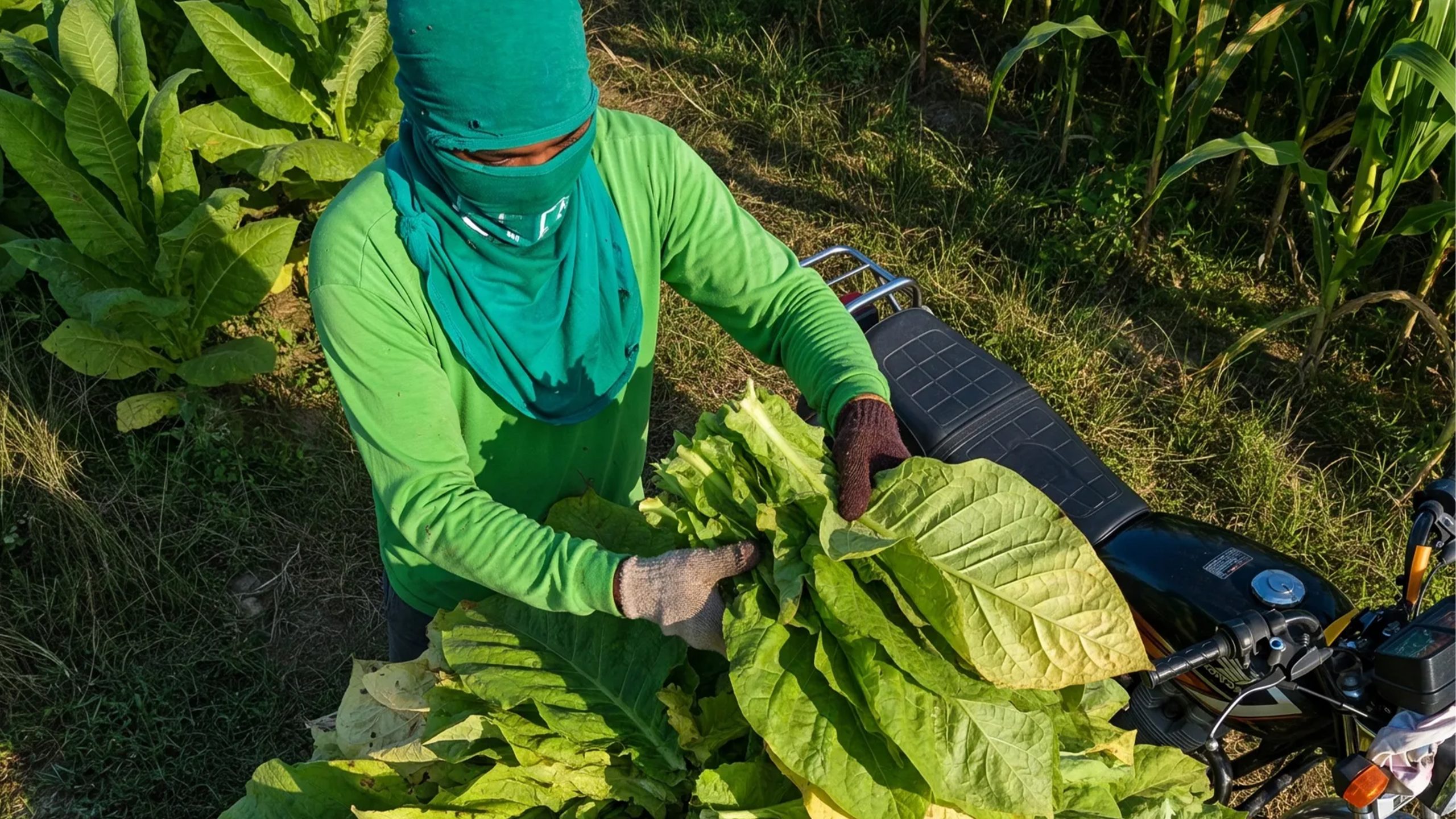
Tobacco alternative uses are gaining attention as researchers explore ways to turn the controversial crop into something more than cigarettes and nicotine products. From natural pest control to potential industrial applications, new research is examining how tobacco could serve agriculture and other industries while offering farmers additional opportunities amid changing market conditions.
For centuries, tobacco has been linked chiefly to cigarettes and cigars. However, long before it became a commercial product, Indigenous peoples in the Americas cultivated it for medicinal and spiritual purposes. When Christopher Columbus reached the Caribbean, local people presented him with tobacco leaves, introducing Europeans to a plant that would eventually spread worldwide.
In the Philippines, tobacco cultivation began in 1592, when Spanish friars planted Cuban tobacco seeds in the fertile Cagayan Valley. Since then, tobacco has become an integral part of the agricultural and economic life of many provinces, especially in Northern Luzon.
Today, however, the tobacco industry is at a crossroads.
A surge in global demand drove production upward, but declining prices and market instability have made it difficult for many farmers to earn a sufficient income. In response, scientists and agricultural specialists are exploring ways to use tobacco beyond cigarettes and cigars.
The question is no longer whether tobacco has value, but whether its value can be put to a different use.
Nature’s Own Pest Fighter
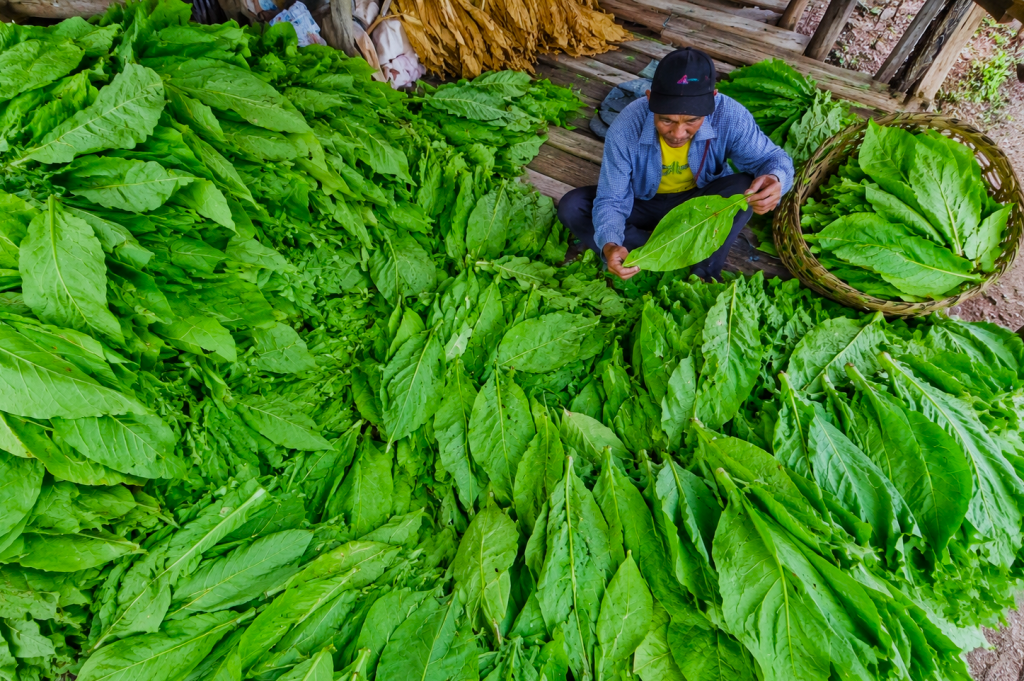
Perhaps one of the most promising alternative applications for tobacco is as a natural pesticide. Researchers have long recognized that nicotine and other alkaloids in tobacco act as potent neurotoxins against insects. These compounds can make tobacco a natural defense against a broad range of agricultural pests, fungi, and bacteria.
Farmers have used tobacco-based preparations to protect crops for generations. Building on this potential, researchers at the former Philippine Tobacco Research and Training Center (PTRTC), now part of the National Tobacco Administration (NTA), launched extensive studies in the 1990s.
Cynthia Ubiña, an agricultural researcher, led much of the work, spending years examining integrated pest management approaches. Conducted in tobacco-growing provinces including Cagayan, Isabela, Pangasinan, La Union, and Ilocos Norte, the studies investigated tobacco leaf extracts as a safer, more affordable substitute for synthetic pesticides.
Ubiña reported that tobacco extracts were especially effective against soft-bodied insects and pests that feed by sucking plant fluids. The findings were promising: trials by researchers in Batac, Ilocos Norte, found that tobacco-water extracts effectively controlled sucking insects and early-stage larvae that attack vegetable crops.
“At the very least,” Ubiña says, “it will stop the worms from reaching maturity.”
Turning Waste Into Wealth
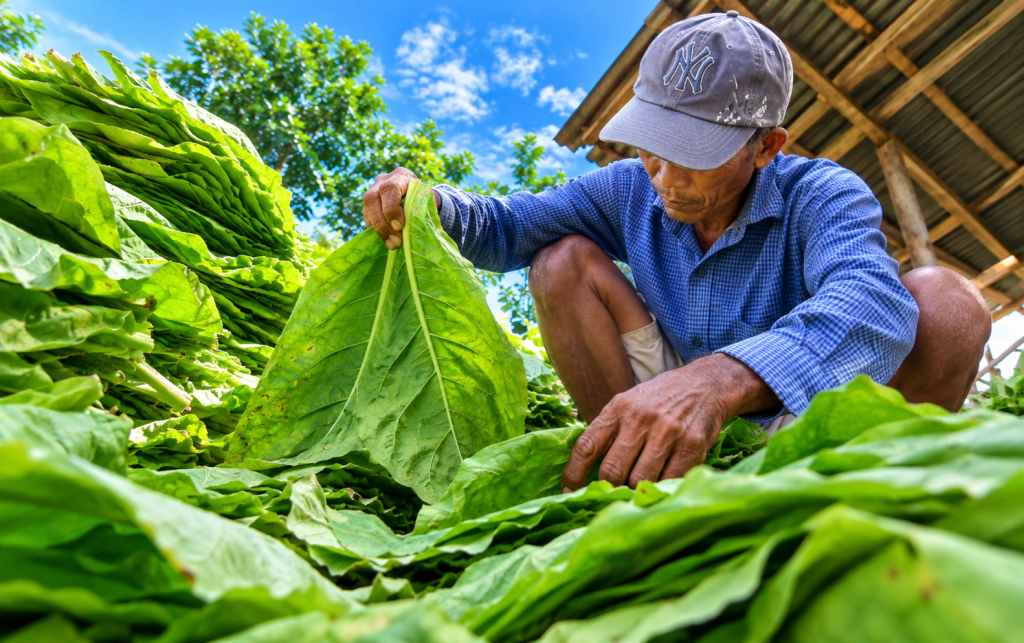
One of the most practical breakthroughs may be the use of tobacco dust, a byproduct of tobacco processing. Instead of being discarded, the material is now promoted by the NTA as a natural molluscicide and pest-control agent.
Reports suggest that tobacco dust can control up to 80% of tomato cutworms and 90% of bean flies, both highly destructive agricultural pests. Farmers in Ilocos Sur say that using tobacco dust on their vegetable farms has increased yields and lowered production costs.
Its uses are not limited to crop production. In Abra, Danilo C. Trongco, a member of the NTA governing board, successfully used tobacco dust to sterilize freshwater fishponds. “My fishponds were effectively sterilized without any side effects on the water source,” he said.
A Potential Solution to Chemical Dependence
Modern agriculture relies heavily on synthetic pesticides. Although effective, these chemicals can carry environmental costs. They may pollute rivers and groundwater, harm beneficial insects such as bees and butterflies, and upset ecological balance.
Pesticides derived from tobacco may provide a more sustainable alternative. Tobacco compounds break down naturally and could help farmers manage pests while reducing dependence on costly commercial chemicals.
However, researchers caution that natural substances are not necessarily harmless. According to then, tobacco extracts require careful handling because nicotine can pass through the skin and cause green tobacco sickness, with symptoms including nausea, dizziness, and vomiting. Protective clothing, waterproof gloves, and good hygiene are essential when using pesticides made from tobacco.
Could Tobacco Become Food?
Food production may offer one of the most compelling possibilities. Ubiña notes that young tobacco leaves contain considerable amounts of protein. If researchers can devise effective ways to remove nicotine without reducing the leaves’ nutritional value, tobacco could become a new source of plant protein.
This development could be particularly valuable as scientists around the world seek alternative protein sources to nourish growing populations. While this use is still largely experimental, it underscores the crop’s considerable untapped potential.
Tiny Seeds, Big Possibilities
Tobacco seeds may be even more versatile than the leaves. Researchers at the NTA have successfully added ground tobacco seeds to a range of food products, including polvoron, pastillas, cookies, doughnuts, and pancakes. In these products, tobacco seed flour can replace as much as 30% of conventional flour without affecting quality.
Tobacco seeds have also been used in brittle candies as substitutes for sesame seeds or peanuts.
Their potential extends beyond human food: they may also serve as livestock and aquaculture feed. Studies suggest tobacco seeds can replace up to 25% of commercial broiler feed formulations. More notably, preliminary research indicates they could meet as much as 70% of tilapia feed requirements.
Further development of these uses could open entirely new markets for tobacco farmers.
Growing Mushrooms from Tobacco Waste
Even tobacco stalks and midribs, commonly regarded as agricultural waste, can be put to productive use. The NTA reports that these materials are effective substrates for growing straw and oyster mushrooms. This technology has progressed beyond trials and is now being applied commercially.
Research Still to Be Continued
Despite these promising results, many researchers believe tobacco’s potential remains largely untapped. Ubiña observes that research activity has declined substantially compared with the period when the agency was still called PTRTC.
She believes that universities, graduate students, and research institutions should continue exploring alternative uses for tobacco. Technology transfer and farmer education are equally essential.
“Someone needs to take responsibility for sharing the technology for using tobacco as a biopesticide so that farmers will adopt it,” she says.
The Crop with Two Faces
Decades of research have established that tobacco’s potential extends well beyond its traditional use in producing cigarettes and cigars. Amid economic uncertainty in the industry and farmers’ search for more sustainable income sources, tobacco-derived biopesticides, animal feed, food products, and substrates for mushroom cultivation offer promising opportunities.
Progress now depends on coordinated action by government agencies, research institutions, universities, and private-sector organizations to broaden scientific research and speed the transfer of technology.
If developed responsibly, Ubiña believed tobacco could become more than a commercial crop: it could serve as a strategic agricultural resource that supports food production, environmental sustainability, and rural economic growth. Its future may therefore be shaped not by smoke, but by science.

 Facebook
 Twitter