
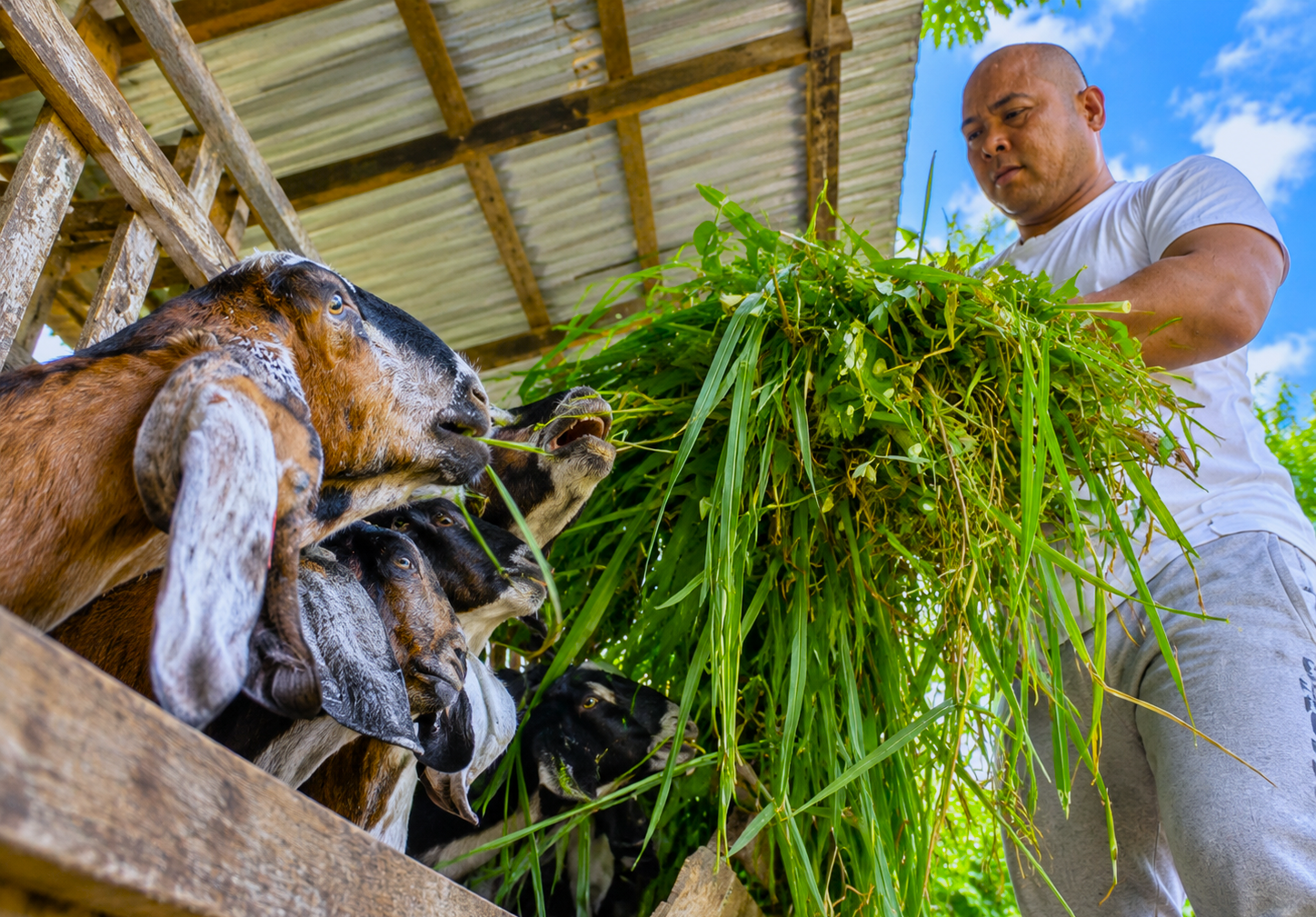
Goat milk in the Philippines could offer another opportunity to strengthen local dairy production while providing Filipino families with an alternative source of nutrition. As the country continues to rely heavily on imported dairy products, raising goats for milk may help small-scale farmers explore additional income opportunities and contribute to the development of the domestic dairy industry.
“I believe milk will give my two daughters more energy to sustain them in doing their tasks in school,” said Riza P. Lobitos, an elementary school principal in Davao City. Lobitos herself starts her day with a glass of milk before reporting to work.
For Lilia Fuentes Lester, a nurse married to a British national, milk provides a convenient way to ensure children receive proper nutrition.
“Milk is easy to make,” she admitted. “Even my nephews and nieces, I encourage them to drink milk.”
Nutrition experts agree. Milk is considered one of the most complete foods available. It contains water, proteins, fats, lactose, vitamins and minerals essential for growth and development. It is a rich source of calcium, phosphorus, potassium, magnesium, zinc, iodine, and vitamins A and B12.
While breast milk remains the ideal nourishment for infants, people in many countries continue consuming milk throughout their lives. Unfortunately, this is not common among many Filipinos.
As nutrition researcher Corazon Cerdena noted, “Milk isn’t traditionally a part of the Filipino diet.”
A Nation Dependent on Imported Milk
This dietary gap exists at a time when milk consumption is becoming increasingly important in the fight against malnutrition.
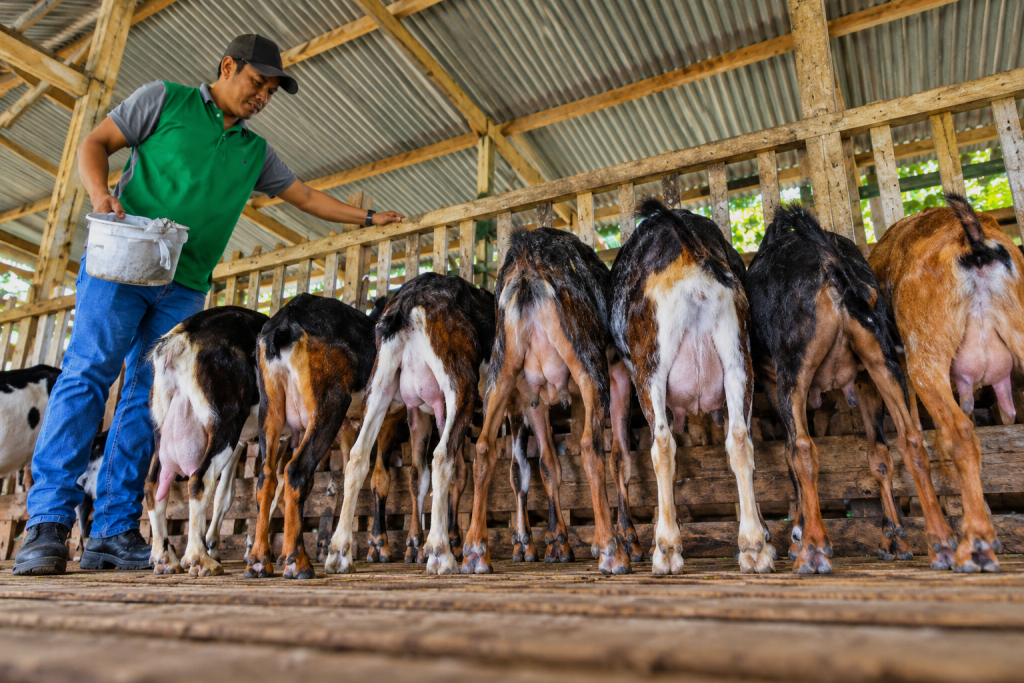
The Philippines continues to face a serious challenge in producing enough milk for its growing population. The Philippines produced 43.30 million liters of milk in 2025, and 25.38 million liters in the first half of 2026 (up 21.2% from 20.94 million liters in the first half of 2025), according to data from the National Dairy Authority (NDA) and the Philippine Statistics Authority (PSA).
Despite steady growth, local milk still covers only a small fraction of total dairy supply—around 1.42% in the first half of 2026—with imports accounting for the vast majority.
Recognizing this challenge, then Senator Cynthia Villar emphasized the need to improve local dairy production. “Among our agricultural subsectors, it is really the dairy industry where we urgently need to make an improvement, particularly in increasing local dairy production,” she said.
Why Dairy Goats Deserve Attention
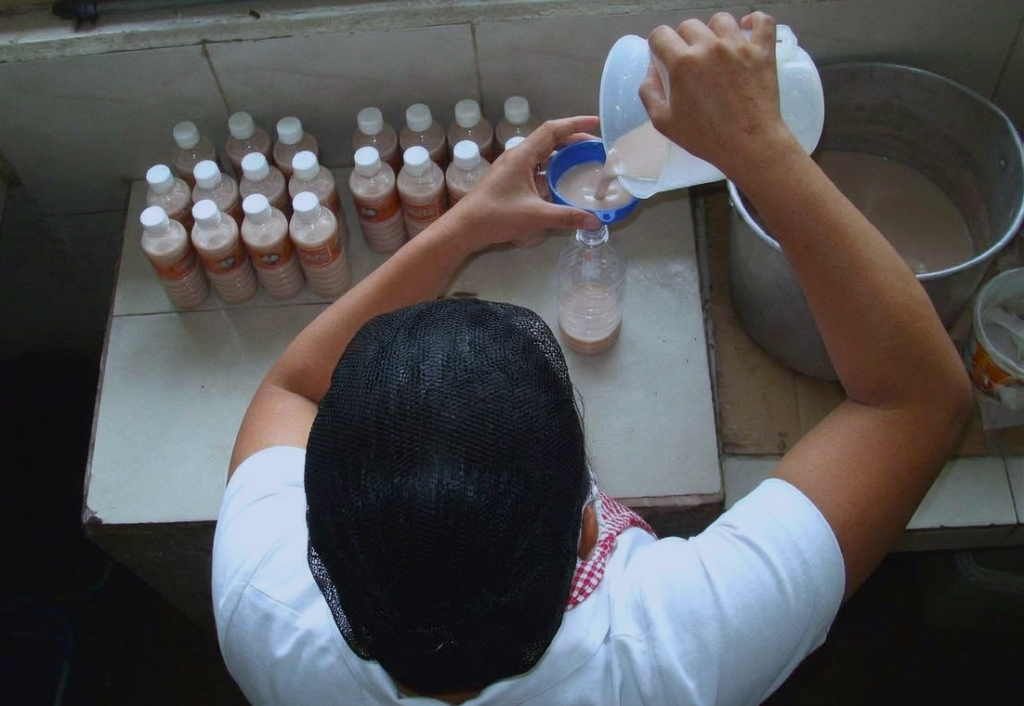
In the Philippines, milk comes mainly from cattle, carabao, and goats. Of these three dairy animals, goats contribute only about three percent of total local milk production.
Yet many experts believe goats could become the key to increasing milk availability in rural communities.
“Of the three dairy animals, the goat is the least expensive to raise and its milk is the best for infants and children,” says Jethro P. Adang, director of the Mindanao Baptist Rural Life Center (MBRLC) in Davao.
Goat’s milk has several advantages. It is easier to digest than cow’s milk and is less likely to trigger allergic reactions, especially among infants and young children.
For communities where access to fresh milk is limited, dairy goats can become a readily available source of nutritious food. “If more and more farmers raise goats in their farms, the health status of our children will improve,” Adang points out. “Not only that, our importation of milk and other dairy products will further decrease.”
A Gold Mine for Small Farmers
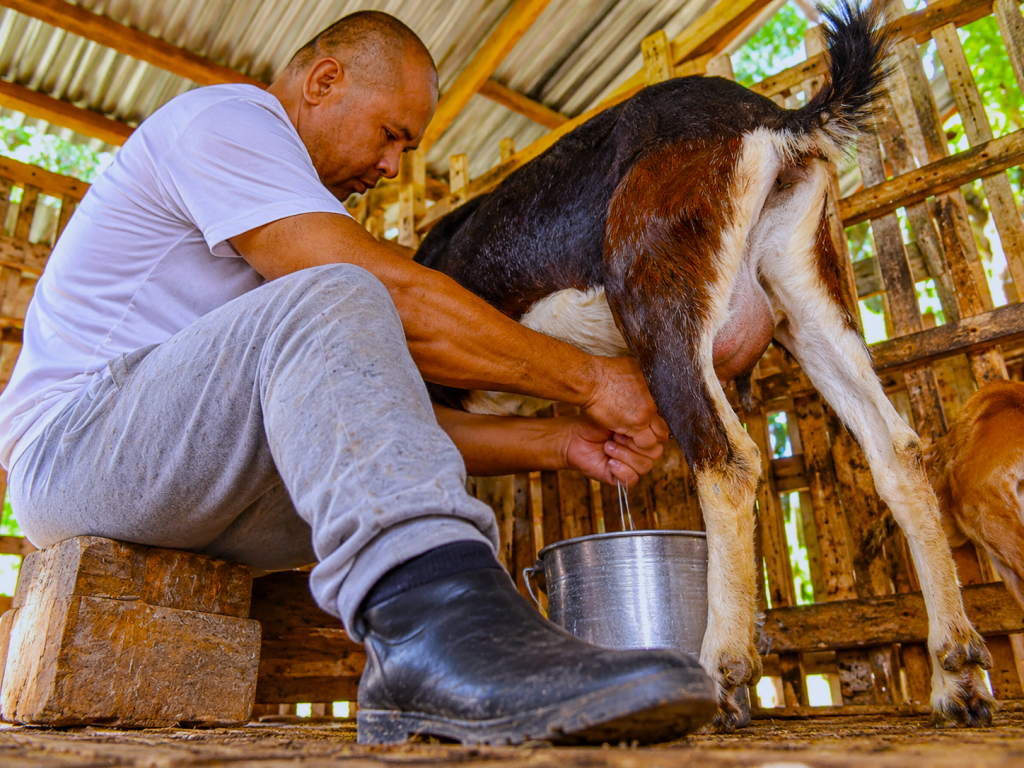
Former Department of Science and Technology Secretary Mario G. Montejo saw enormous potential in the humble goat. “Goats can turn our country into a land of milk in two years,” he said. “The goat that many of us belittle is actually a gold mine.”
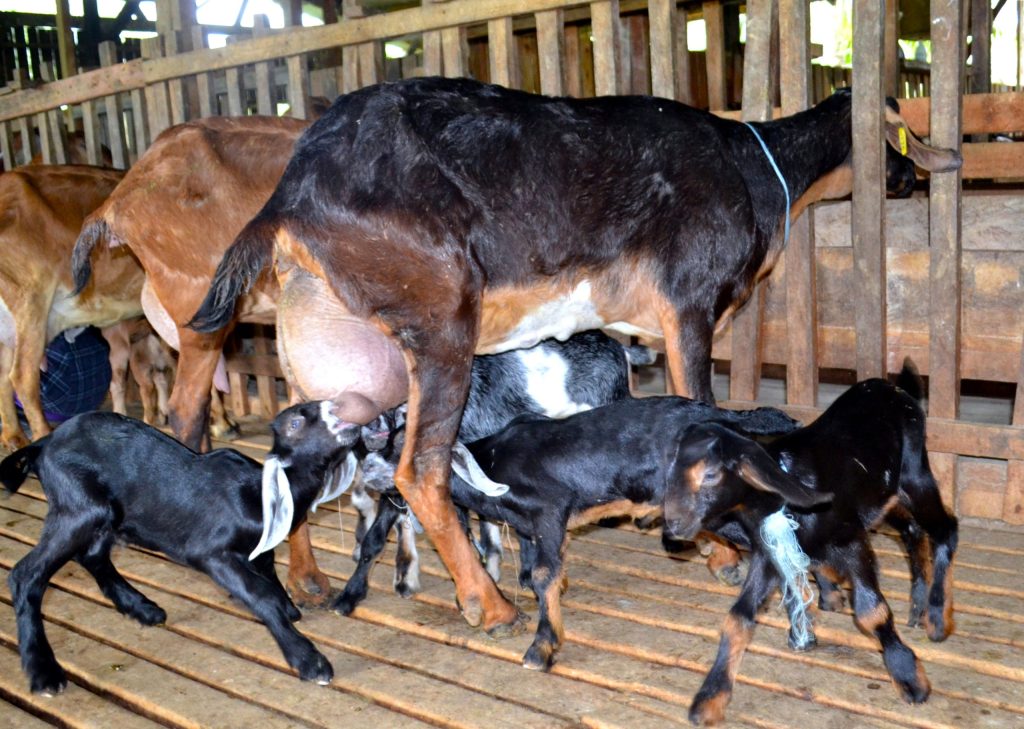
Unlike cattle and carabao, goats require less space, less feed, and lower capital investment. This makes goat production particularly attractive to smallholders and upland farmers.
“They may be known as the ‘poor man’s cow,’ but goats can be farmers’ source of income should there be crop failure,” Adang explained.
Because they are smaller animals, goats can easily be integrated into existing farming systems where farmers grow corn, coconut, banana, cacao, coffee, or fruit trees.
Profitable Production Potential
The economic potential of dairy goats is supported by research. PCAARRD studies show that backyard farmers can increase milk production from 45 liters in 90 days to as much as 135 liters in 180 days. Commercial farms can produce about 360 liters during the same period.
A well-fed purebred dairy doe can yield up to four liters of milk daily. These figures translate into significant opportunities for additional household income, especially in rural areas where livelihood options are often limited.
For many farmers, goats can serve as a “living bank account” that can be sold during emergencies while continuing to provide milk for family consumption.
The Mindanao Baptist Rural Life Center has been championing dairy goat production since the 1970s. Today, the center serves as a training hub for farmers interested in goat raising. It also supplies breeding stock and markets fresh goat milk.
The success of MBRLC demonstrates that goat raising can be both technically feasible and economically rewarding when supported by proper training and management. Its work has inspired many farmers throughout Mindanao to adopt dairy goats as part of their farming enterprises.
Challenges Remain
Despite its potential, the dairy goat industry faces several obstacles. These include poor feeding practices, limited dairy infrastructure, high production costs, water scarcity, low reproductive efficiency, inadequate mechanization, and the highly perishable nature of milk.
Moreover, most goats in the country remain concentrated in backyard farms. According to the Philippine Statistics Authority, about 99.2 percent of the country’s goat population is raised by smallholders. Semi-commercial and commercial farms account for less than one percent of total production.
A Small Animal with a Big Future
As the Philippines continues searching for ways to address malnutrition, improve food security, and reduce dependence on imports, dairy goats offer a practical and affordable solution.
The animal often dismissed as the “poor man’s cow” may actually hold the key to bringing fresh milk to more Filipino households.
For parents like Lobitos and Lester, milk is more than just a beverage. It is an investment in a child’s future. If more farmers embrace dairy goat production, that glass of nutritious milk may become more affordable and accessible for every Filipino family.
And in the process, the country’s humble goat could help nourish a healthier, stronger generation.

 Facebook
 Twitter